

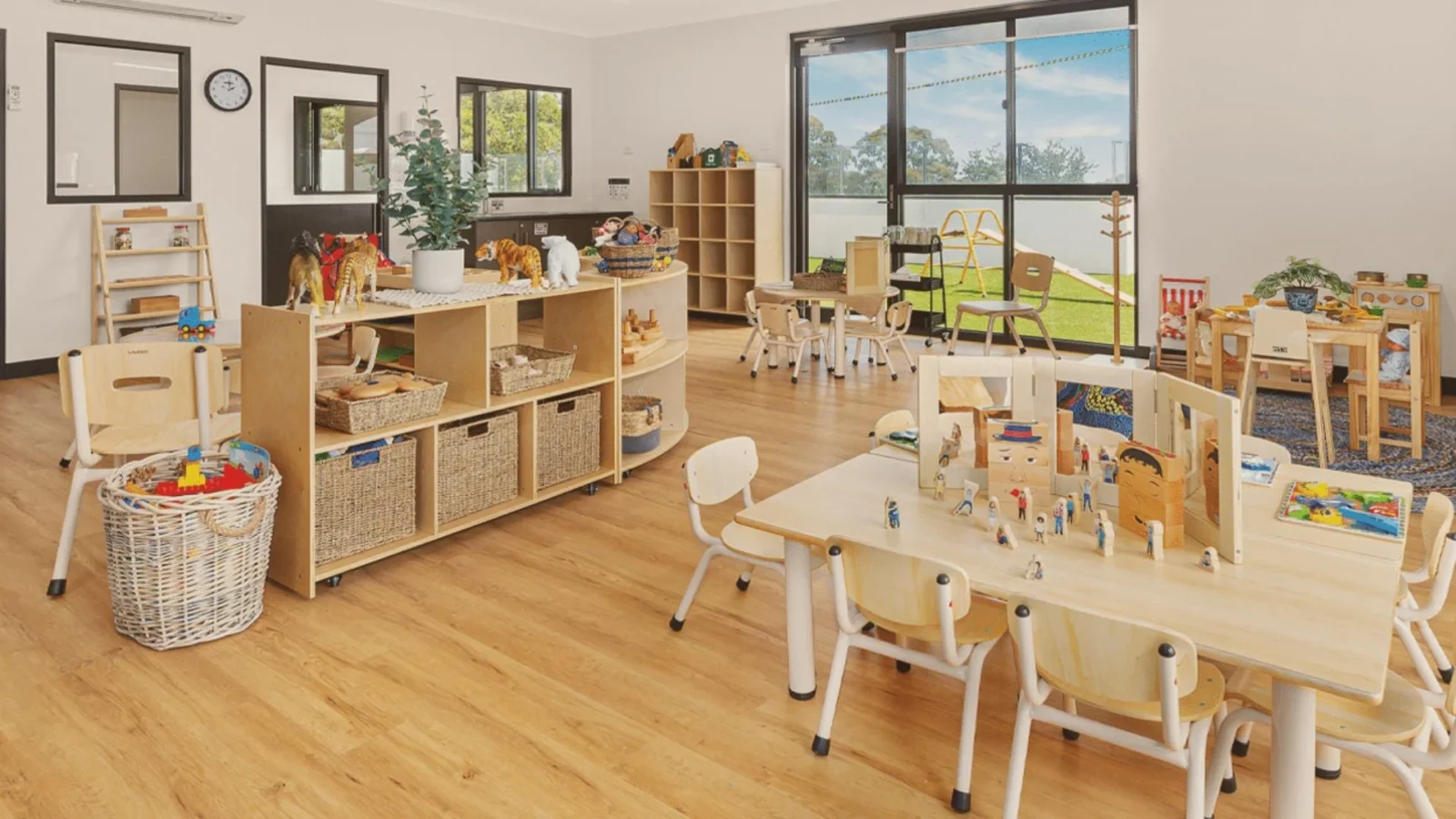
The first years of a child’s life form the bedrock of all future learning. A carefully prepared environment during this period is not merely a backdrop but an active participant in development.
These specialised spaces are fundamentally different from traditional early years settings. They are conceived and constructed around the child’s innate needs, prioritising developmental science over adult convenience or aesthetic trends.
Science reveals the critical importance of this window. An astonishing 85% of brain structure is built within the first three years, with millions of neural connections forming every second. The physical surroundings directly shape a young child’s ability to move, focus, and grow.
Therefore, an effective design goes beyond simple minimalism or costly furniture. It is an evidence-based framework that fosters independence, natural exploration, and self-directed learning from the very beginning.
This comprehensive guide will walk nursery professionals and parents through the core principles and practical solutions. It covers everything from selecting purposeful resources to planning a safe, engaging layout suitable for various budgets and spaces across the UK.
Key Takeaways
- The initial three years are a critical developmental window, where 85% of brain structure is formed.
- A well-prepared environment acts as a “second teacher,” actively supporting cognitive and motor development.
- Authentic settings are designed from the child’s perspective, not for adult preferences.
- Effective design is rooted in developmental science, not just aesthetic trends.
- The core aim is to cultivate independence, concentration, and a love for self-directed learning.
- Every element in the space should serve a clear, developmental purpose.
- Practical implementation must consider UK-specific regulations, space constraints, and budgetary realities.
Understanding the Montessori Method and Nursery Philosophy
Dr Maria Montessori’s pioneering work transformed our understanding of how infants and toddlers engage with the world. Her philosophy views the young child not as an empty vessel but as an active, capable participant in their own development.
This approach is built on careful observation and profound respect. It creates spaces where every element serves a clear, developmental purpose.
The Principles of Montessori Education
Five core principles guide this educational model. Respect for the child means using real, functional furniture scaled to their size from the earliest age.
The prepared environment is intentionally designed. Every object has both a purpose and a designated place, teaching order and trust.
Young children possess an absorbent mind, effortlessly soaking up information from their surroundings. Concurrently, they experience sensitive periods, particularly a strong need for order between birth and age four.
Finally, the principle of auto-education holds that children educate themselves when placed in a supportive, well-prepared space.
Impact on Early Childhood Development
This philosophy has a profound effect. It nurtures innate independence and fosters deep concentration from infancy.
Children develop better self-regulation and a strong sense of security. The environment itself becomes a teacher, laying a robust foundation for lifelong learning and joyful exploration.
Montessori Classroom Setup 2026 UK: Materials & Layout for Nurseries
Many traditional infant spaces are cluttered and visually noisy, designed more for adult ease than a baby’s developmental journey. In contrast, a purposefully prepared environment is calm and built entirely around the child’s needs.
Effective planning involves intentionally dividing the room into distinct functional areas. This zoning creates a design that actively supports all aspects of daily life.
The sleep area typically uses 25% of the space, featuring a floor bed and low shelf. A movement zone occupies 35%, with an open mat and mirror for rolling and crawling.
The feeding and calm area takes up another 25%, evolving from a nursing chair to a weaning table. Finally, a dedicated care area uses the remaining 15% for organised nappy changing and dressing.
This proportional balance allows the classroom to function as a full-time environment. It supports smooth transitions between rest, activity, and care throughout the day.
Every design decision in these environments centres on fostering independence. The selection of materials and the room layout work together to reduce stress and maximise opportunities for self-directed exploration.
Creating a Prepared Environment: Planning Your Nursery Space
Effective nursery design begins with a thorough assessment of the available physical space and its inherent qualities. This foundational planning stage determines how well the environment will work throughout the day.
It makes sense to start by evaluating which room is most suitable. A dedicated space of at least 8×10 feet is recommended to properly accommodate distinct functional areas.
Assessing Room Dimensions and Layout
Systematic evaluation ensures the room supports both safety and independent exploration. Professionals should use a practical checklist.
Key questions include whether there is enough floor space for sleep, care, movement, and feeding zones. The layout must be easy for a child and caregiver to navigate.
Safety is paramount. Check for hazards like sharp corners, loose wires, or unsecured furniture.
| Assessment Area | Key Consideration | Practical Tip |
|---|---|---|
| Floor Space | Minimum 8×10 ft for distinct zones | Ensure clear pathways between activity areas. |
| Lighting Control | Natural and artificial light management | Install blackout blinds and dimmable lamps. |
| Navigation | Easy for child and caregiver | Keep floors clear and use low, open shelving. |
| Safety Hazards | No sharp edges, secure furniture | Anchor tall units and use socket covers. |
| Ventilation | Consistent fresh air circulation | Utilise trickle vents or safely open windows. |
Optimising Natural Light and Ventilation
Light profoundly influences mood, sleep, and sensory regulation. South or east-facing windows provide ideal, gentle daylight.
Maximise this natural light while maintaining control. Soft-filtering curtains or adjustable shades prevent harsh glare.
Good ventilation is crucial in the UK climate. Fresh air supports health and concentration. A well-ventilated room creates a comfortable environment for all daily activities.
Essential Materials and Furniture for Montessori Nurseries
The choice of furniture and materials directly influences a baby’s ability to explore independently. Each piece should serve a clear developmental purpose, fostering autonomy from the earliest stages.
Choosing Child-Sized Furniture and Storage
A floor bed is the centrepiece of any authentic nursery. It grants freedom of movement and supports early body awareness for a baby. Budget options vary significantly.
- Economical: A firm mattress on a simple wooden frame (£50-150).
- Mid-range: Purpose-built beds with rounded edges and safety features (£200-500).
- Premium: Custom, heirloom-quality pieces (£500-1,000+).
Low, open shelves are equally vital. These units should be a maximum of 24-30 inches high. Natural, unfinished or safely sealed wood is preferred.
Storing one item per basket helps reduce overwhelm. Around 8-12 months, introduce a weaning table and small chair. The child’s feet must rest flat on the floor.
Incorporating Artistic Elements and Natural Wood
Movement-supporting items include a horizontally mounted mirror at chest height. A pull-up bar encourages cruising. Climbing tools like wooden triangles aid gross motor development.
Incorporating artistic elements and natural wood throughout the room creates sensory richness. It connects children to beautiful, tactile materials. Sourcing quality pieces in the UK is achievable through specialist suppliers.
Utilising Natural Materials and Sensory Learning Spaces
A child’s sensory world is profoundly shaped by the textures and substances they encounter daily. In a Montessori approach, these elements are intentionally chosen to be authentic and real.
This creates an environment that feels connected to the natural world. It supports rich, tactile learning and safe exploration.
Selecting Organic and Sustainable Materials
Natural substances like wood, wool, and organic cotton offer distinct developmental advantages. They provide varied sensory feedback that plastic cannot match.
This stimulates neural pathway development as a baby touches, mouths, and handles objects. It also builds an early appreciation for the environment.
Choosing non-toxic, sustainable materials is a key safety consideration. Specific guidelines help nurseries make the best choices.
| Material Type | Key Characteristics | Developmental Purpose | Introduction Age |
|---|---|---|---|
| Wood | Sustainably sourced, unfinished or food-safe sealed. | Offers warm, varied texture; supports fine motor play. | From birth (for furniture, simple grasping toys). |
| Textiles (Cotton/Wool) | GOTS-certified organic fibres. | Soft, breathable for comfort; tactile variety in rugs and blankets. | From birth. |
| Metal | Minimal use; rounded, non-toxic finishes only. | Provides cool, smooth contrast; used in durable practical items. | 12 months+ with supervision. |
| Stone/Ceramic | Safe, non-breakable items only. | Introduces weight, temperature, and new solid textures. | 18 months+ with close supervision. |
These natural materials are not only safer but also more durable. They create a timeless, beautiful space that encourages calm, focused learning through play.
Encouraging Independence and Child-Led Exploration
From selecting their clothes to choosing an activity, even toddlers can exercise meaningful agency. This philosophy intentionally designs environments to nurture a young child’s growing autonomy from the start.
A practical example is the wardrobe system. Keeping a few outfits accessible on low, open racks empowers young children. They can participate in daily activities like dressing, making meaningful choices that build practical life skills.
Accessible materials on low shelves support this self-directed learning. Children develop crucial fine motor and decision-making skills as they select resources. The space offers clear, organised boundaries, which paradoxically enhances their sense of freedom and capability.
Opportunities for independence grow with the child. Infants may choose which toy to explore. Toddlers might decide between activity options or where to move next. This child-led exploration differs from unstructured free play. It involves purposeful activities set up to mimic real life, supporting development through hands-on learning.
For parents and educators, careful observation is key. Noticing a child’s interests and abilities allows the environment to adapt. This continuous refinement supports growing independence while maintaining safety. It builds a foundation for lifelong learning and confident, capable learners.
Integrating Safety and Baby-Proofing Measures in Montessori Setups
Safety forms the invisible framework upon which all principles of independence and discovery are built. A beautiful space only becomes empowering when it is thoroughly protected.
This foundation allows children to explore freely without unseen hazards. Essential measures must be non-negotiable in any Montessori-inspired room.
Implementing Child-Safe Furniture Anchors
Any tall furniture presents a tip-over risk. Securing shelves, mirrors, and dressers to the wall is a critical first step.
In the UK, use anchors suitable for your wall construction. Regular checks make sure these fixtures remain secure over time.
Easy Tips for Everyday Safety
Create a culture of routine safety checks. Cover electrical outlets and manage cords immediately.
Install cordless window blinds and use safety latches. Pad any sharp corners on otherwise rounded furniture.
These simple actions become habitual. They ensure the room adapts as a child grows.
| Age Group | Key Safety Focus | Critical Actions |
|---|---|---|
| Newborn (0-6m) | Safe sleep & supervised exploration | Use a firm mattress with a fitted sheet only. Supervise all floor time. |
| Mobile Baby (6-12m) | Enhanced baby-proofing | Lock drawers, use non-slip rugs. Rotate items to minimise choking hazards. |
| Toddler (12m+) | Mobility-proofing & emergency planning | Anchor all climbable furniture. Block stairs but keep areas open. Check smoke alarms. |
For the youngest infant, a safe sleep environment is paramount. Avoid loose bedding, using sleep sacks instead.
As the baby becomes mobile, vigilance increases. Each stage requires tailored strategies to maintain a secure foundation for learning.
Customising Your Nursery: Budget and DIY Solutions
Creating a supportive early learning environment does not require a limitless budget or designer furniture. Most families achieve excellent results by blending creativity with a few strategic purchases. A phased design way allows the baby room to evolve thoughtfully alongside the child.
Affordable Ideas and Secondhand Finds
Excellent ideas often come from secondhand sources. Charity shops and online marketplaces are full of solid wood items that can be refreshed. Look for low shelves, small tables, and sturdy mirrors.
A practical budget plan has three phases. Start with essentials like a floor mattress and a movement mat. Later, add a child-sized table and curated natural play materials. The final phase might include custom pieces.
This approach makes a beautiful space achievable for any home. It proves that principles can guide the work, not just expensive brands.
DIY Hacks for Personalised Spaces
Simple do-it-yourself projects offer huge savings. Building a basic floor bed frame from timber is a popular first project. An even simpler idea is to place a firm mattress directly on a breathable rug.
Another great hack is adapting an old bookshelf. Cut it down to a child-friendly height for easy access. A secondhand mirror, mounted securely at floor level, supports movement and visual tracking.
These personalised touches make the baby room unique. They provide engaging activity zones without high cost. It is a rewarding way to build a special space for exploration.
Expert Tips and Considerations from Eilmar Montessori
Implementing a child-centred approach successfully often hinges on practical wisdom from experienced practitioners. Drawing on established principles, Eilmar Montessori offers specific guidance for contemporary settings.
This perspective helps parents and educators create spaces where young minds truly thrive.
Insights on Child Autonomy
Eilmar emphasises that the physical environment directly shapes a child’s sense of capability. Well-designed classroom areas offer meaningful choices within clear boundaries.
This balance supports a developmental need for order and predictability. It is a powerful way to foster self-direction from the earliest stages.
Continuous observation is key. Noticing children‘s interests allows for responsive adjustments. The environment must evolve alongside their growing independence.
Advice from Eilmar on Effective Space Planning
For spaces with limited square footage, strategic zoning is essential. Eilmar Montessori recommends a phased implementation to maintain operational flow.
This approach addresses common challenges like budget constraints and regulatory needs. It ensures the classroom remains a supportive, functional whole.
| Planning Phase | Primary Focus | Key Action for Staff |
|---|---|---|
| Initial Setup | Core activity zones & safety | Establish clear, accessible activity areas. |
| Integration | Child-led routines & material rotation | Observe and refine based on children’s use. |
| Enhancement | Advanced practical life & sensory areas | Introduce more complex resources as skills develop. |
Effective communication with parents about the philosophy is also vital. Staff training ensures the classroom principles are understood and applied consistently. This creates a cohesive environment for all children.
Conclusion
A thoughtfully prepared space is more than a room; it’s a dynamic foundation for a child’s unfolding potential. This guide has detailed how spatial planning, furniture selection, and material choice work together. They create an environment where children build independence and concentration.
Effective implementation represents a profound shift in education. It recognises young children as capable learners. The classroom becomes a place for holistic development, supporting physical, cognitive, and social-emotional growth.
Each day in such spaces offers rich opportunities. Accessible books foster language and reading skills. Purposeful activities and art stimulate cognitive and creative learning. Make sure any technology used complements this hands-on exploration; digital tools should enhance, not replace, real-world experiences.
This journey requires ongoing observation and adaptation. Each thoughtful enhancement to the baby room or learning environment enriches the child’s time. It invests in a lifelong love of learning that extends far beyond those early walls.