

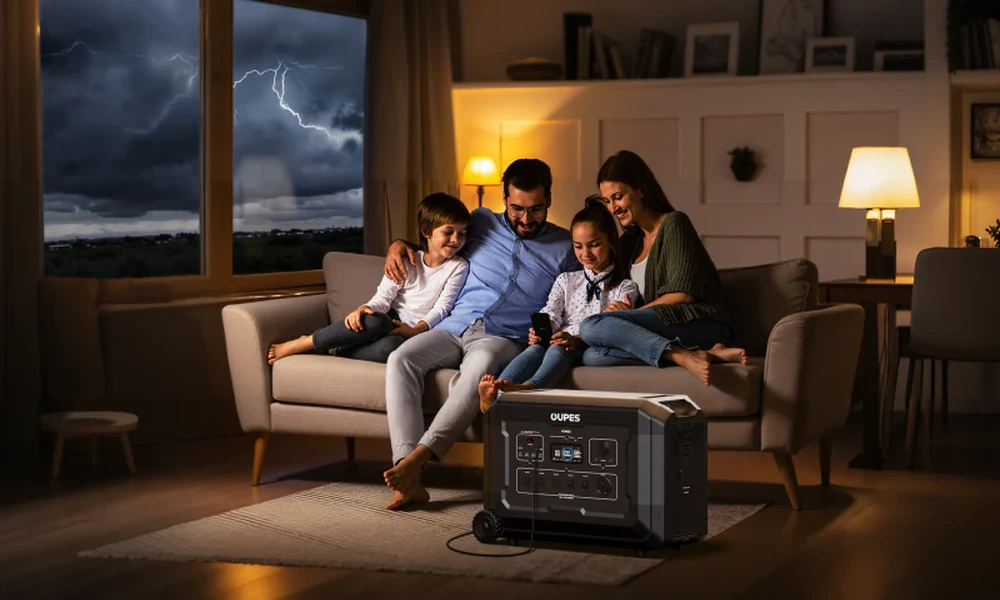
Power outages can strike at any moment, transforming a comfortable home into a place of uncertainty. Whether caused by severe storms, grid overloads, or unexpected infrastructure failures, the sudden loss of electricity disrupts daily life in profound ways. For many homeowners, investing in reliable backup power has become essential not just for convenience, but for protecting what matters most: family safety and peace of mind. In areas prone to unpredictable weather, such as parts of Georgia, whole house generators in Cumming, GA offer a seamless solution that keeps homes running smoothly when the grid goes down.
Modern households depend heavily on electricity. From refrigerators preserving food to medical devices supporting health conditions, the absence of power quickly escalates minor inconveniences into serious concerns. Backup power systems bridge this gap, providing immediate or near-instantaneous electricity to maintain essential functions. Far beyond luxury, these systems have evolved into critical infrastructure for contemporary living, balancing safety, comfort, and resilience.
Protecting Health and Safety in Emergencies
Safety stands as the foremost reason to consider backup power. According to data from the Congressional Research Service, nearly 50% of large power outages in the United States stem from severe weather events like lightning, wind, and rain. During extended outages, homes without electricity face multiple risks. Carbon monoxide poisoning from improper use of alternative heating sources remains a real threat, while spoiled food can lead to foodborne illnesses. For families with young children, elderly members, or individuals with medical needs, these dangers multiply.
A properly installed backup generator powers critical systems such as sump pumps to prevent basement flooding during storms and keeps security systems operational to deter potential intruders. Medical equipment like CPAP machines, oxygen concentrators, or refrigerated medications continues functioning without interruption. In colder months, backup power maintains heating systems, warding off dangerous temperature drops that could lead to hypothermia. Conversely, in summer heatwaves, air conditioning prevents heat-related emergencies.
Beyond immediate physical safety, backup power supports mental well-being. Knowing your home remains protected reduces anxiety during weather alerts or regional blackouts. This sense of preparedness fosters confidence, allowing families to focus on each other rather than scrambling for flashlights and battery packs.
Preserving Comfort and Daily Routines
Comfort extends far beyond basic survival. A home without power quickly loses its appeal as routines unravel. Refrigerators warm up, freezers thaw, and Wi-Fi disappears, isolating households from information and communication. Children miss online schooling, remote workers lose productivity, and evening relaxation turns into early bedtimes by candlelight.
Backup power solutions restore normalcy rapidly. Whole-house systems automatically detect outages and switch over within 20 to 30 seconds, keeping lights on, appliances running, and climate control steady. Families can prepare meals, charge devices, and maintain hygiene without disruption. This continuity proves especially valuable for home-based businesses or those caring for pets that require regulated environments.
In regions experiencing frequent severe weather, such as thunderstorms and ice storms, the ability to sustain comfort translates into tangible quality-of-life improvements. Rather than enduring days without hot water or proper refrigeration, households maintain their standard of living, reducing stress and preserving perishable goods worth hundreds of dollars.
Key Benefits of Backup Power Systems
- Rapid Response: Standby generators activate automatically in seconds, preventing the chaos of prolonged blackouts that affected 4.79 million customers during Hurricane Helene in 2024, with some areas without power for 14 days or more.
- Health Protection: Maintains operation of life-sustaining medical devices and prevents food spoilage that could lead to illness.
- Property Safeguard: Keeps sump pumps running to avoid flooding damage and security systems active against break-ins.
- Financial Savings: May qualify homeowners for insurance premium discounts while protecting against losses from spoiled food and damaged appliances.
- Lifestyle Continuity: Supports remote work, online education, and daily routines even during major outages.
Exploring Different Backup Power Options
Homeowners today have several choices when selecting backup power, each suited to different needs and budgets. Portable generators offer an affordable entry point, providing flexible power for essential appliances through extension cords. While effective for short outages, they require manual setup and ongoing fuel management, making them less ideal for frequent or prolonged disruptions.
Standby generators, often called whole-house generators, deliver superior convenience. These permanently installed units connect directly to the home’s electrical panel and natural gas or propane supply. When an outage occurs, they activate automatically, powering everything from HVAC systems to entertainment centers. Their quiet operation and weather-resistant design make them nearly invisible until needed.
Solar-powered backup systems paired with battery storage represent an increasingly popular eco-friendly alternative. These setups harness renewable energy while providing silent, emission-free power. Although initial costs run higher, long-term savings on fuel and maintenance, combined with environmental benefits, appeal to many sustainability-minded homeowners.
Hybrid approaches combining generators with battery backups offer the best of both worlds, ensuring immediate power from batteries while generators handle extended needs.
Key Considerations for Choosing and Installing a System
Selecting the right backup power requires careful assessment of household energy demands. Calculate the wattage of essential appliances and systems to determine generator capacity. Professional load calculations help avoid underpowered or excessively large units that waste resources.
Location-specific factors matter significantly. Homes in areas with heavy snowfall or high winds need robust, weatherproof installations. Fuel availability also influences decisions – natural gas offers convenience but depends on pipeline integrity, while propane provides independence during widespread disruptions.
Professional installation remains non-negotiable. Certified technicians ensure compliance with local codes, proper ventilation, and safe integration with existing electrical systems. They can also recommend automatic transfer switches that make the transition from grid to generator seamless.
Ongoing maintenance keeps systems reliable. Regular testing, oil changes, and filter replacements mirror routine car care. Many modern generators include monitoring apps that alert owners to potential issues before they escalate.
Long-Term Benefits and Peace of Mind
The investment in backup power pays dividends beyond emergency situations. Insurance companies sometimes offer premium discounts for homes equipped with standby generators. Property values may increase as buyers recognize the added resilience in an era of climate uncertainty.
Communities benefit too. When neighborhoods lose power, homes with backup systems reduce strain on emergency services and shelters. Families stay put rather than seeking alternative accommodation, preserving social connections and neighborhood stability.
Real-world stories underscore these advantages. Families who weathered multi-day outages without missing a beat often describe the experience as transformative – no more throwing out groceries, no frantic searches for ice, and no sleepless nights worrying about safety. With power outages reaching their highest levels in a decade in 2024, preparedness has never been more relevant.
Embracing Resilience in an Uncertain World
As extreme weather events become more common and infrastructure faces growing demands, backup power shifts from optional upgrade to prudent necessity. It represents a commitment to safeguarding loved ones, preserving comfort, and maintaining control amid uncontrollable circumstances.
Homeowners evaluating their options should prioritize systems that match their lifestyle and local conditions. Whether opting for a traditional generator or innovative battery solutions, the goal remains the same: ensuring your home remains a sanctuary regardless of what happens outside.
In the end, backup power delivers more than electricity. It provides security, continuity, and the freedom to live without fear of the next outage. For families seeking lasting protection and comfort, exploring professional solutions tailored to their specific needs marks a worthwhile step toward greater resilience.