

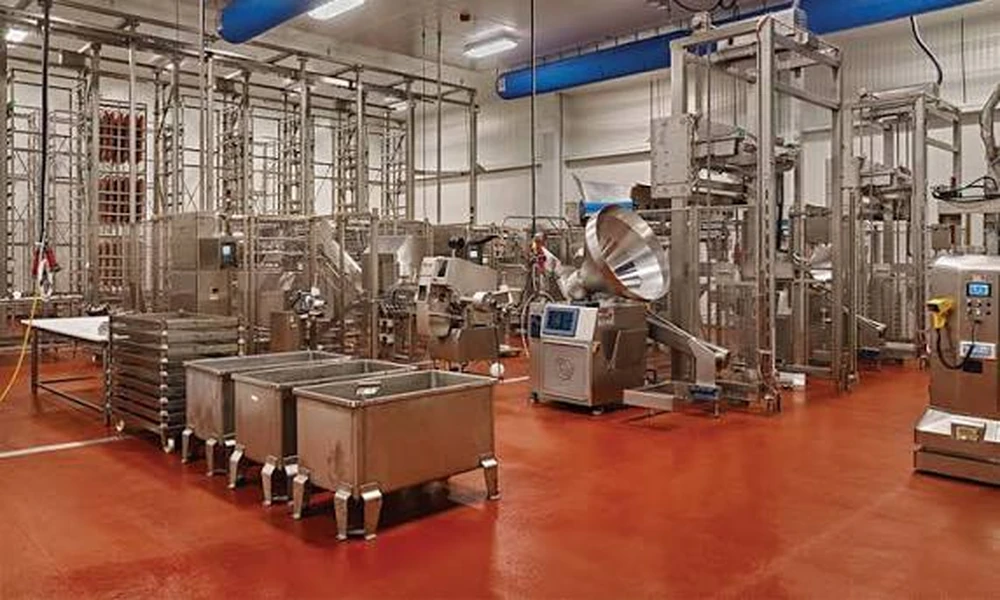
Steam whistles, conveyors, and the hum of automation define food processing plants, yet behind every efficient facility lies a design that balances output, safety, and sustainability. With global demand for processed foods rising, and environmental scrutiny increasing, the challenge for designers is to create food processing facilities that run lean, meet strict standards, and minimize their environmental footprint, all without jeopardizing profitability.
Challenges in Designing Food Processing Facilities
Food processing is a world of constant motion where downtime means lost revenue. But achieving seamless operational efficiency is only half the battle.
Understanding Operational Efficiency Constraints
Every square meter of a facility matters. Equipment layout, material flow, and storage must be choreographed precisely to avoid bottlenecks. Overlapping paths between raw ingredients and finished products can lead to contamination risks and inefficiencies, forcing architects and engineers to think several moves ahead.
Environmental Impact and Sustainability Concerns
Food processing is resource-intensive, from water use in cleaning and cooling to the energy needed for refrigeration and cooking. Waste generation, both solid and liquid, poses additional burdens. Today’s facilities are expected to minimize resource use while producing more, making sustainability non-negotiable.
Regulatory Compliance and Safety Standards
Facilities must adhere to rigorous codes for food safety, worker protection, and environmental impact. Regulations like HACCP, CFIA, and OSHA set strict parameters for layout, airflow, sanitation, and emergency response. Every design choice must support ongoing compliance.
Balancing Cost with Long-Term Benefits
While upfront investments in sustainable systems can be significant, long-term operational savings and brand reputation often outweigh the initial cost. The real challenge? Convincing stakeholders to look beyond immediate price tags.
Innovative Solutions for Efficient Facility Design
Efficiency and sustainability begin on the blueprint, not the assembly line.
Integrating Lean Manufacturing Principles
Eliminating waste, whether of time, motion, or resources, is at the heart of lean manufacturing. In facility design, this translates to linear workflows, fewer handoffs, and minimal backtracking. Flexible workstations and shared utilities maximize adaptability.
Modular and Flexible Layouts
Markets shift, and so does demand. Modular designs allow sections of a facility to be reconfigured or expanded without a costly overhaul. This flexibility ensures longevity and responsiveness as needs evolve.
Advanced Automation and Smart Technologies
Automated conveyors, robotic arms, and real-time monitoring keep processes humming with less labor and fewer errors. Smart sensors track temperature, humidity, and contamination risks, flagging issues before they disrupt production.
Energy-Efficient Systems and Equipment
Modern HVAC, LED lighting, and high-efficiency boilers shrink operational costs. Heat recovery systems capture waste heat for reuse, while variable speed drives adjust energy use to real-time demands.
Sustainable Practices in Food Processing Facilities
Sustainability is more than a buzzword; it’s a series of deliberate design decisions.
Water Conservation and Wastewater Management
Closed-loop water systems recycle where possible. High-efficiency washers and low-flow fixtures keep consumption in check, and advanced treatment systems ensure wastewater meets discharge standards.
Renewable Energy Integration
Solar panels, geothermal systems, and even on-site biogas digesters help facilities generate clean energy, reduce grid dependence, and cut greenhouse gas emissions.
Sustainable Materials and Construction Techniques
Choosing low-impact, recyclable materials for walls, flooring, and insulation reduces a building’s carbon footprint. Prefabricated components speed up construction and minimize waste.
Waste Reduction and Circular Economy Approaches
Facilities turn food scraps into animal feed or energy rather than landfill waste. Composting, recycling programs, and donation partnerships push operations toward zero waste.
Case Studies: Successful Sustainable Food Processing Facilities
Theory meets practice when facilities push boundaries and deliver results.
Canada Bread Facilities: Efficiency Meets Sustainability
Across locations in Moncton, Québec, and Woodstock, Canada Bread’s plants exemplify how streamlined layouts and high-efficiency ovens reduce both energy consumption and turnaround time.
Maple Leaf Winnipeg: Innovations in Energy Use
At its Winnipeg plant, Maple Leaf implemented heat recovery and advanced LED systems, slashing energy bills while improving work conditions.
Cargill Case Ready Meat: Balancing Productivity and Environmental Goals
Cargill’s facility leverages modular spaces and water-saving equipment to maintain productivity while cutting resource use. Their approach illustrates that sustainability and output can move forward together.
Actionable Steps for Designing Your Facility
For organizations planning a new plant or retrofitting an existing one, every decision counts.
– Conduct a Sustainability Audit: Evaluate current energy, water, and waste performance to set realistic improvement targets.
– Collaborate with Specialists: Engaging a Stendel + Reich manufacturing plant architect ensures your project benefits from professionals with deep experience in food facility design.
– Implement Smart Monitoring Systems: Sensors and automated controls help track and optimize energy and resource use in real time.
– Train Your Workforce: Ongoing education in sustainable operations ensures the technology and processes achieve their full potential.
Future Trends in Food Processing Facility Design
Innovation in facility design shows no signs of slowing. Digital twins and predictive maintenance will enable virtual troubleshooting, reducing downtime and costs. AI will further optimize production flows, resource allocation, and food safety controls. Expect wider adoption of novel materials, like hempcrete or recycled composites, driven by policy shifts and green building incentives. Those who stay ahead will not only run efficient facilities, they’ll help define the future of sustainable food processing.