


Construction law sits where contracts meet the physical realities of a project. A dispute may turn on a clause, but the events behind it often involve design, ground conditions, sequencing, testing, or defective work. Legal knowledge is essential. Yet a lawyer who understands project delivery can examine the problem from a wider, practical angle.
That insight helps project participants identify the real issue sooner and build a strategy that reflects contractual rights and site conditions.
Construction Problems Are Rarely Legal Problems Alone
A delay claim may depend on the critical path. A variation dispute may require close review of drawings, specifications, instructions, quantities, and completed work. A defect claim may involve design intent, materials, artistry, testing, and causation.
Engineering experience helps a legal team test whether a proposed explanation fits the records and the way the work was performed. It can separate a genuine technical cause from an argument added after the event.
The Stage 2 competency standard for professional engineers covers engineering knowledge, application abilities, and professional skills. Those disciplines support careful analysis of risk, evidence, and competing explanations.
Reading Project Records in Context
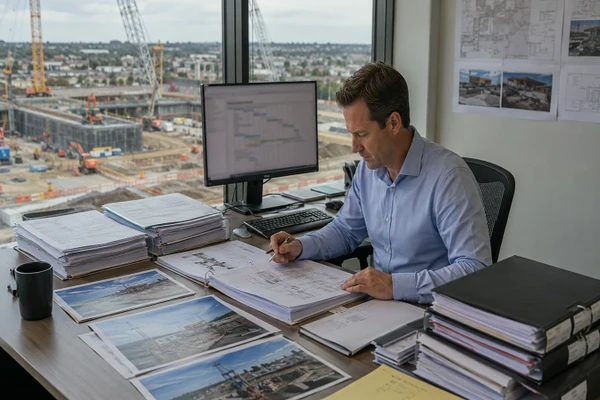
Construction disputes generate large document sets, including contracts, programmes, drawings, site diaries, photographs, inspection reports, emails, payment claims, and cost records.

These records do not always explain themselves. A revised drawing may affect procurement as well as installation. A minor-looking instruction may change access or trade sequencing. A programme update may hide the distinction between an existing delay and a later event.
Technical and site experience makes it easier to connect the evidence. A lawyer can build a reliable chronology, identify gaps, and ask better questions. This may strengthen a claim or expose weaknesses before a client spends heavily on formal proceedings.
Stronger Contracts, Notices, and Claims
Before a dispute begins, technical knowledge can identify unclear scope boundaries, design responsibilities, testing obligations, interface risks, and impractical notice procedures during contract drafting or review.
During delivery, informed advice can help teams prepare notices that explain what happened, why it matters, and what relief is sought. A sound claim should connect the relevant clause to the event, supporting records, causation, and the time or money claimed.
For clients comparing Construction lawyers in Australia, the useful distinction is not technical knowledge by itself. It is the ability to combine that knowledge with careful legal interpretation, procedural discipline, and commercial judgment.
Working Effectively With Independent Experts
Complex disputes may require independent experts in engineering, quantity surveying, or programming. The lawyer’s role is not to replace them or influence their opinions. It is to identify the issues, provide complete material, and frame clear, neutral questions.
The Federal Court’s Expert Evidence Practice Note explains that expert evidence should provide an objective and impartial assessment based on specialised knowledge. It also stresses the importance of stating assumptions and reasoning. A technically experienced legal team can organise the record so an expert can address the real issue without being distracted by incomplete instructions.
Better Commercial Decisions
Not every disagreement should become formal proceedings. Early technical assessment may show that a claim has strong support. It may instead reveal missing records, shared responsibility, weak causation, or costs that outweigh the likely benefit.
This gives decision-makers a clearer basis for negotiation, mediation, adjudication, or litigation. It narrows the issues and focuses resources. It also allows a lawyer to give candid advice when the technical case does not support the desired position.
A Practical Advantage From Baker Merz Lawyers
Baker Merz Lawyers brings together lawyers, engineers, and quantity surveyors with extensive on-site construction experience. This supports advice grounded in contracts, project controls, technical evidence, and commercial realities.
The aim is to understand the project well enough to make the legal path simpler, more focused, and better supported.
Frequently Asked Questions
Does every construction dispute require an engineering expert?
No. Many matters can be addressed through contracts and project records. An expert may help when specialised opinion is needed on causation, defects, design, delay, or valuation.
Can technical experience help before work starts?
Yes. It can assist with reviewing scope, design obligations, interfaces, testing requirements, programmes, and risk allocation before those issues affect time or cost.
Why does site experience matter in a legal claim?
It places documents and events in context. It may reveal how access, sequencing, resources, instructions, and design changes affected the work in practice.
Clear Advice Starts With Understanding the Project
When a matter involves technical records, delay, defects, variations, or expert evidence, early advice can prevent it from becoming harder to manage. Visit Baker Merz Lawyers to discuss the project with a team that understands the legal framework and the realities of construction delivery.