

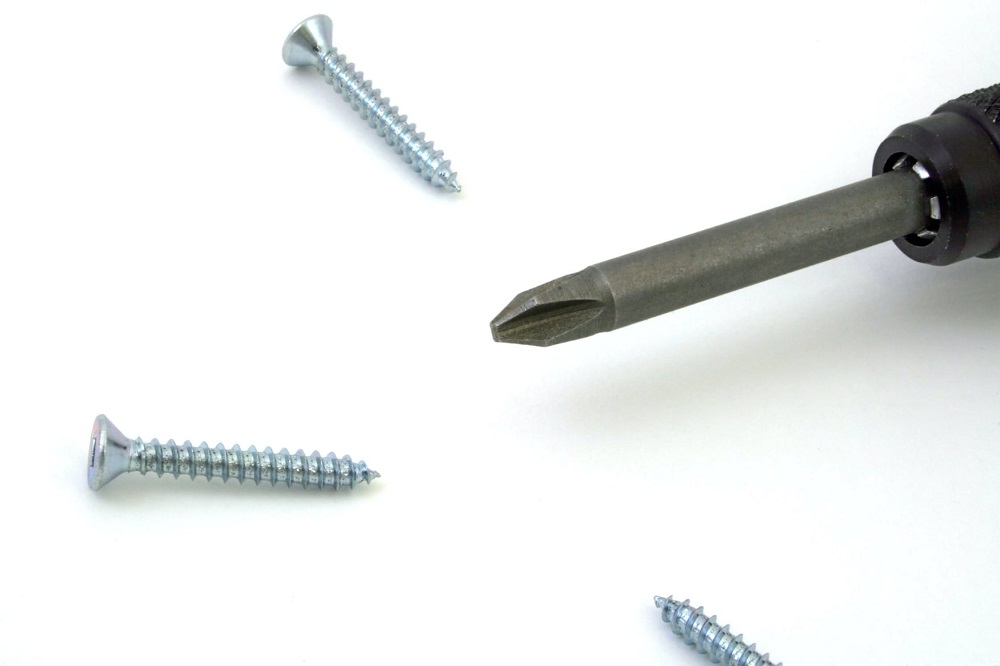
Spend an hour at a hardware store and you’ll quickly realize that “screw” is not one thing. There are dozens of types, each engineered for a specific purpose. For most household tasks, a standard wood screw gets the job done. But certain connections, the ones that genuinely carry load, need something built for that job. Using the wrong fastener in those spots doesn’t just create a weak joint. It creates a liability.
What Makes a Fastener “Structural”?
A structural fastener is one engineered to handle significant force, either in withdrawal (two pieces pulling apart) or in shear (two pieces sliding past each other). Regular wood screws handle everyday fastening well, but they aren’t rated for heavy connections. Their relatively thin shank and fine thread weren’t designed to hold a deck ledger against the rim joist of a house, or a pergola beam to a 6×6 post.
That’s the job lag screws were built for. Their larger diameter, coarse threads, and hex head give them dramatically more withdrawal strength and shear capacity than a standard fastener of the same length, making them the go-to choice for heavy-duty wood connections.
The Three Connections Most Homeowners Get Wrong
Deck ledger boards, post-to-beam joints, and multi-ply beam assemblies are where improper fasteners show up most often on residential builds. Each of these carries a sustained load, faces potential movement, and in outdoor settings, weathers year-round. A fine-thread wood screw at a deck ledger will corrode, loosen, and eventually fail. On a raised deck, the consequences of that failure go beyond an inconvenient repair.
Understanding Load Before You Choose a Fastener
Think about what force a joint will actually face. A deck board screwed down to a joist sees modest, relatively static load. But the ledger board holding that entire deck to the house faces constant tension from the deck’s weight, plus everyone and everything on it. That joint needs a fastener capable of resisting that pull for years, not one rated for hanging cabinet hardware.
Load-Bearing vs. Finishing Fasteners: A Simple Test
A useful rule: anything that could fail and cause something to fall or collapse needs a structural fastener. Railings, stairs, pergola rafters, post-to-beam connections, and ledger attachments all meet that threshold. Trim work, shelving in a pantry, and cabinet doors generally don’t.
Where Structural Fasteners Matter Most at Home
The most common residential applications for heavy-duty structural fasteners include deck ledger attachment, framing connections, LVL and multi-ply beam assemblies, stair stringers, and outdoor structure framing. Star Fasteners Plus stocks structural lag screws designed for these applications specifically, including exterior-rated and 316 stainless versions for coastal and high-moisture environments.
Building Science Corporation’s research on deck ledger structural connections identifies the ledger-to-house joint as one of the most vulnerable points in residential deck construction, where load transfer, moisture, and material movement all converge at a single fastened connection.
The Question Worth Asking Before Any Project
Could this connection fail and hurt someone, or bring a structure down? If yes, use structural hardware, not a general-purpose wood screw. Getting the fastener right at the planning stage takes minutes. Getting it wrong can take much longer to fix, and cost considerably more.