

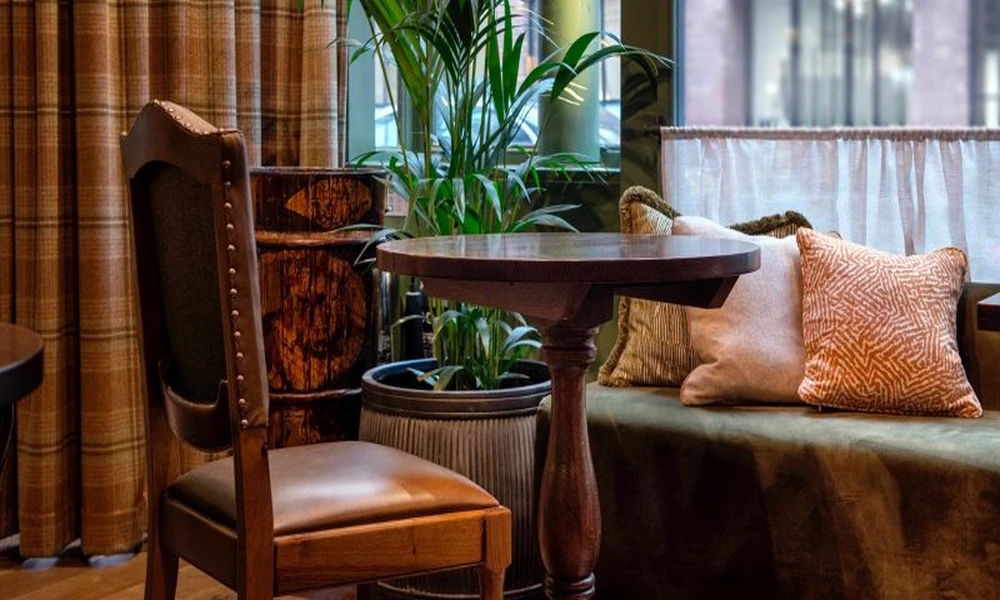
There’s a certain vibe to some hotels that just exudes energy. Customers come in and are instantly comfortable, relaxed and ready to be there for a while. Some restaurants can provide some terrific food and service but have not been able to pull it off when it comes to ambiance.
It takes a lot of effort to create a great reception area. It typically results from careful design, clever space utilization and an awareness of human interactions with the environment.
For pubs and clubs, restaurants and cafés, the ambience can affect the satisfaction of the customer, the likelihood of return and even the amount of money spent.
The first impression is the last impression.
From the moment of arrival guests start to make their impressions. The opening is the key to the rest of the book. Having a clean, organised, and inviting area throughout the first impressions will help customers feel comfortable. Whereas, when people can clearly see where to go and what to expect, they will be more apt to relax and enjoy their visit.
The first impression is created by natural lighting, signage and an entrance area that is well planned. The venue is already communicating its personality even before the customer gets on-site to meet the staff.
A warm welcome doesn’t have to be complex. It is often the simplicity of things that really matters.
Activity Creates Energy
It’s not just the activity that is noticeable, but the visibility of it in some places that makes it feel more inviting to others.
Natural affinity of people toward the places that look active. A place with movement and conversation, or an energy-filled place, is more appealing than a quiet or empty space.
This does not require the full seating in each seat. Rather, it’s about establishing places where the customer can observe others relishing the area.
This can be accomplished by using open sight lines. If people can find something going on around the room, the surroundings can be more lively and sociable. The placement of seating can also help to spread out customers, keeping the venue from becoming too crowded.
Comfortable Seating Promotes Extended Sitting Times
The customer’s comfort is directly affected by seating. If your guests are physically comfortable, they will likely spend their time longer and order more items and come back again. Appropriate seating also assists in the use of various spaces in a venue.
For instance, the lounge seating can help to promote relaxed talk and high seating can help to foster a more informal and social setting. Bar tables for pubs and clubs to establish areas for guests to sit and drink, socialize and interact with other people, but not commit to a full sitdown meal.
The actual space is more important than the size. A large venue is not necessarily comfortable. Similarly, if the layout is designed correctly, a smaller space can be made spacious and inviting.
The key is balance.
Customers need the privacy to feel relaxed, but they also enjoy a social environment. When you have tables placed too close, it can make guests feel cramped. Pockets of open area, however, can diminish the sense of energy within a venue.
Successful venues are very aware of the flow of their customers. Stylishly furnished and inviting walkways make the space more comfortable for guests and employees.
Music plays a significant part in the lives of children.
The level of noise can have a significant impact on customer experience as they visit. If the venue is too loud it can become uncomfortable, too quiet and it can feel awkward or impersonal.
Background music, conversations with customers and general activity should work harmonically together to create a pleasant environment.
Furniture, soft furnishings and room layout are carefully managed to ensure acoustics in many popular hospitality venues. These information will help to minimise the noise, while still keeping the lively vibe that customers are used to and want.
Lighting is a crucial part of creating ambiance.
The proper lighting can transform any hospitality area. In certain dining scenarios, such as breakfast and lunch hours when patrons are seeking an invigorating and fresh setting, bright lighting can be beneficial. Lighter lighting for evening service can help to make it a more relaxed service.
Natural light also has a huge value – it would make the space look more open and welcoming. Bright spaces can be more inviting and comfortable during the day when they get the most natural light.
The aim is to develop the atmosphere that matches the customer’s expectations and enhances the entire experience.