

Your HVAC system plays a major role in home comfort, energy efficiency, and indoor air quality, especially during peak cooling seasons. Without proper maintenance, even high-quality systems can lose efficiency, circulate dust, and struggle to maintain consistent temperatures. Smart seasonal care helps homeowners reduce costs, improve airflow, and enjoy healthier living spaces through trusted professional services.
Routine HVAC tune-ups are not just about preventing breakdowns. They also improve cooling performance, reduce monthly energy bills, and support cleaner indoor air. Dust buildup, clogged filters, and neglected components can strain your system over time. With proactive care, homeowners can protect equipment lifespan while creating a more comfortable and energy-efficient environment.
Why Regular HVAC Tune-Ups Matter
A well-maintained HVAC system operates more efficiently, which means better cooling with less energy waste. Seasonal inspections help identify small issues before they become costly repairs. This preventative approach supports long-term system health while keeping your home consistently comfortable during hot weather.
Regular maintenance also protects indoor air quality by reducing the circulation of dust, allergens, and pollutants. Cleaner coils, filters, and ductwork can improve airflow and help households with allergy concerns breathe easier. Preventative service supports both comfort and healthier indoor conditions.
Change Air Filters Frequently
Air filters are one of the most important and often overlooked parts of HVAC maintenance. Dirty filters restrict airflow, forcing your cooling system to work harder while allowing contaminants to build up indoors. Replacing filters regularly is a simple but powerful way to support efficiency.
Most homeowners benefit from changing filters every one to three months, depending on pets, allergies, and usage levels. Clean filters can improve airflow, reduce strain on equipment, and support cleaner air circulation. This small step can make a noticeable difference in cooling quality.
Keep Coils and Outdoor Units Clean
Your system’s evaporator and condenser coils are essential for heat transfer. Dirt and debris can reduce efficiency, increase cooling times, and raise utility bills. Outdoor condenser units are especially vulnerable to leaves, grass, and environmental buildup that can block airflow.
Scheduling inspections and cleanings through professional services helps ensure these components operate properly. Homeowners should also keep at least two feet of clear space around outdoor units. Clean equipment supports better cooling capacity and more reliable system performance.
Key Areas to Keep Clean:
- Air filters
- Evaporator coils
- Condenser coils
- Supply vents
- Return vents
- Outdoor condenser area
Maintaining cleanliness helps improve both efficiency and indoor air quality.
Check Thermostat Performance
Your thermostat serves as the control center for indoor comfort. If it is inaccurate or outdated, your HVAC system may cool inefficiently or cycle too often. Checking settings and battery life can prevent unnecessary strain.
Programmable or smart thermostats can significantly improve energy savings by adjusting temperatures based on occupancy patterns. These upgrades help reduce utility costs while maintaining steady comfort throughout the day.
Inspect Ductwork for Leaks
Leaky ductwork can waste cooled air before it reaches living spaces, forcing your HVAC system to work harder. Air leaks also allow dust and pollutants to enter the airflow, reducing indoor air quality.
Signs of Duct Problems Include:
- Uneven room temperatures
- Weak airflow
- Excessive dust
- Rising energy bills
- Noisy air movement
Professional duct inspections can identify hidden inefficiencies and improve airflow distribution.
Improve Indoor Air Quality with Ventilation
Cooling your home effectively is only part of HVAC performance. Proper ventilation is equally important for cleaner air. Poor ventilation can trap humidity, pollutants, and allergens indoors.
Whole-home air purifiers, UV lights, dehumidifiers, and ventilation upgrades can improve air cleanliness while supporting HVAC efficiency. Balanced humidity also prevents mold risks and creates more comfortable indoor conditions.
Prioritize Seasonal Professional Inspections
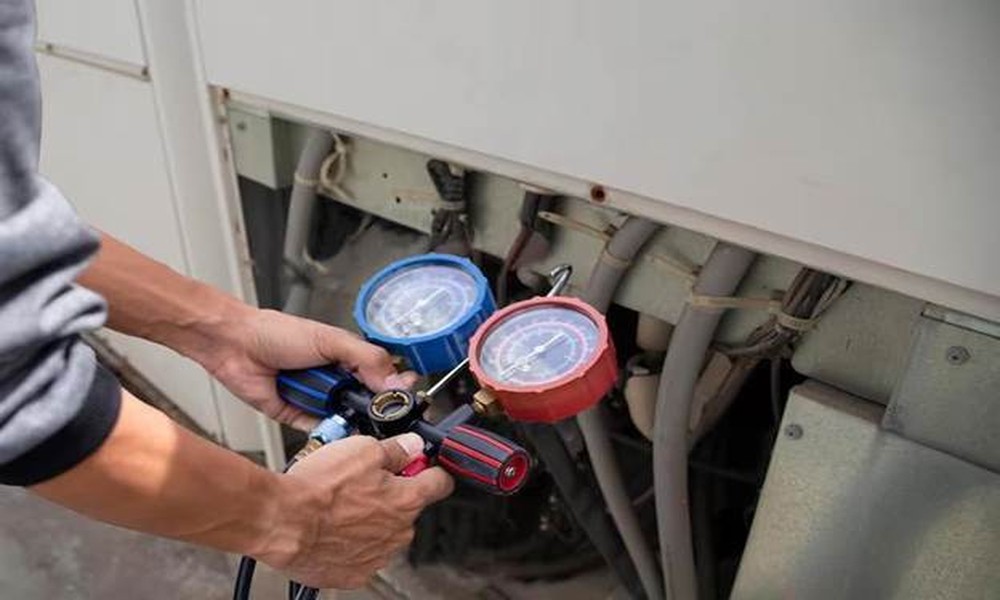
While homeowners can manage basic upkeep, seasonal tune-ups from licensed HVAC technicians provide deeper system protection. Professional inspections often include refrigerant checks, electrical testing, airflow analysis, and safety evaluations.
Benefits of Professional HVAC Tune-Ups:
- Improved cooling performance
- Lower energy bills
- Extended equipment lifespan
- Better indoor air quality
- Reduced emergency repairs
- Safer operation
Expert service helps catch hidden issues before they affect comfort or system reliability.
Energy Efficiency Tips for Better Cooling
Improving HVAC efficiency often involves more than maintenance alone. Homeowners can support cooling performance through smart home habits and upgrades that reduce system strain.
Smart Cooling Strategies:
These steps help maintain comfort while lowering monthly cooling expenses.
Watch for Warning Signs
Even with routine care, HVAC systems can develop issues over time. Recognizing early symptoms can help prevent larger repairs and maintain home comfort.
Warm airflow, unusual noises, weak ventilation, frequent cycling, or rising utility bills may indicate developing problems. Addressing these signs quickly can improve efficiency and reduce long-term costs.
Conclusion
Smart HVAC tune-ups are essential for better cooling, cleaner air, and improved energy efficiency. From changing filters and cleaning coils to checking ductwork and scheduling professional inspections, proactive maintenance protects both comfort and system performance. Small steps can lead to lower utility bills, healthier indoor air, and fewer breakdowns. By combining regular upkeep with expert HVAC care, homeowners can create a cooler, cleaner, and more efficient home environment throughout every season.