

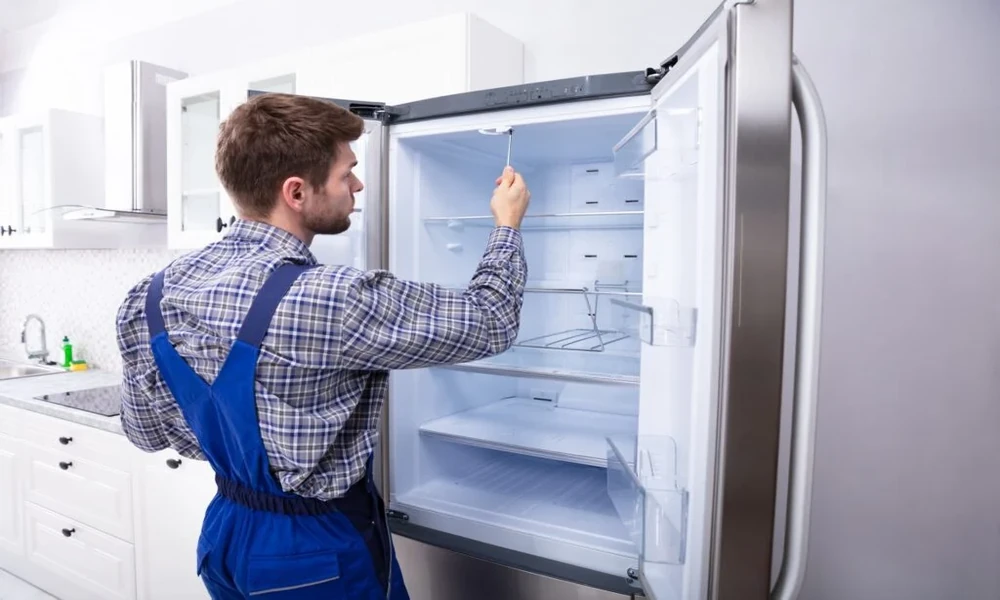
Living in Marietta means dealing with warm summers, changing seasons, and busy family schedules where the refrigerator rarely gets a break. Whether you’re stocking up on groceries for the week, storing leftovers from a family barbecue, or keeping fresh produce cool during Georgia’s hotter months, your refrigerator works around the clock without taking a day off.
Because it runs 24 hours a day, even small maintenance issues can gradually affect cooling performance, increase energy bills, and shorten the appliance’s lifespan. Fortunately, keeping a refrigerator operating efficiently doesn’t require complicated maintenance. A few simple habits throughout the year can help prevent many common problems before they become expensive repairs.
Key Takeaways
- Regular maintenance helps refrigerators run more efficiently.
- Dirty condenser coils are one of the most common causes of poor performance.
- Good airflow inside and around the refrigerator improves cooling.
- Early warning signs should never be ignored.
- Professional repairs are the safest solution for cooling and electrical problems.
Why Refrigerators Need Regular Attention?
Unlike many household appliances that operate only when needed, refrigerators work continuously to maintain safe food temperatures. Compressors, fans, sensors, and cooling systems cycle throughout the day and night, making refrigerators one of the hardest-working appliances in any home.
Over time, normal wear, dust accumulation, blocked airflow, and aging components can reduce efficiency. Small cooling problems often develop gradually, making routine maintenance one of the best ways to extend appliance life and prevent unexpected breakdowns.
Keep Condenser Coils Clean
One of the most important maintenance tasks homeowners can perform is cleaning the condenser coils.
These coils release heat from the refrigeration system. As dust, dirt, pet hair, and debris collect on them, the refrigerator has to work harder to remove heat, causing the compressor to run longer and consume more electricity.
Depending on your refrigerator model, the coils may be located behind the appliance or underneath it. Before cleaning, consult your owner’s manual for the correct location and recommended cleaning procedure.
For most households, cleaning the coils every six months helps maintain efficient operation. Homes with pets may benefit from more frequent cleaning because pet hair can accumulate quickly.
Some refrigerators have accessible condenser coils that collect dust, lint, and pet hair, while many newer models use enclosed or low-maintenance condenser systems. Check the owner’s manual before attempting to clean the coils. If cleaning is recommended, follow the model-specific instructions and disconnect power first.
Check Door Seals Regularly
The rubber gasket around the refrigerator door plays a critical role in maintaining consistent cooling.
If the seal becomes cracked, loose, dirty, or worn, cold air escapes while warm air enters the refrigerator. As a result, the compressor runs more often to maintain the selected temperature.
Common signs of a worn door seal include-
- The door doesn’t close tightly.
- Condensation forms around the door.
- The refrigerator runs almost constantly.
- Food doesn’t stay as cold as it should.
Cleaning the gasket regularly and inspecting it for damage helps maintain an airtight seal while reducing unnecessary strain on the cooling system.
Avoid Blocking Interior Air Vents
Cold air needs to circulate freely throughout the refrigerator to maintain even temperatures.
Many homeowners unknowingly block interior air vents with food containers, large grocery items, or oversized storage bins. Restricted airflow creates warm spots inside the refrigerator, causing some foods to spoil faster while other areas become excessively cold.
To improve airflow-
- Leave small gaps between food containers.
- Avoid pushing groceries directly against interior vents.
- Store large items where they won’t block air circulation.
Proper airflow helps every shelf maintain a more consistent temperature.
Do Not Overload the Refrigerator
A fully stocked refrigerator helps retain cool temperatures, but overpacking shelves can reduce airflow and force the cooling system to work harder.
When items are packed too tightly-
- Air cannot circulate properly.
- Cooling becomes uneven.
- The compressor operates more frequently.
- Food may spoil more quickly in warmer areas.
Organizing groceries so that cold air can move freely throughout the refrigerator improves efficiency while reducing wear on internal components.
Set the Right Temperature
Temperature settings have a significant impact on both food safety and refrigerator performance.
Most manufacturers recommend keeping the refrigerator at approximately 37°F (3°C) and the freezer at 0°F (-18°C) for optimal food preservation.
Avoid making frequent temperature adjustments unless necessary. Constantly changing the settings forces the refrigerator to work harder while making it more difficult to maintain consistent cooling.
An inexpensive refrigerator thermometer can help verify that temperatures remain within the recommended range.
Pay Attention to Leaks, Noises, and Inconsistent Cooling
Most refrigerators provide warning signs before a major breakdown occurs. Paying attention to these symptoms can help homeowners schedule repairs before food spoilage or costly damage develops.
Watch for signs such as-
- Water leaking beneath the refrigerator.
- Unusual buzzing, clicking, or grinding sounds.
- Frost buildup inside the freezer.
- Food spoiling faster than usual.
- The refrigerator running constantly.
- Inconsistent temperatures between shelves.
- Excess condensation inside the refrigerator.
These symptoms often indicate developing issues involving fans, compressors, door seals, drain systems, or electronic controls.
Why Preventive Maintenance Saves Money?
Routine refrigerator maintenance requires very little time but delivers significant long-term benefits.
Lower Energy Consumption
Clean coils, unrestricted airflow, and properly sealed doors allow the refrigerator to cool more efficiently while consuming less electricity.
Better Food Preservation
Maintaining stable temperatures helps keep dairy products, meat, produce, and frozen foods fresher for longer while reducing food waste.
Longer Appliance Life
Reducing unnecessary strain on the compressor and cooling system helps extend the lifespan of one of the most expensive appliances in the kitchen.
When Professional Service Is the Best Choice?
Many maintenance tasks can be performed safely at home, but certain refrigerator problems require professional expertise.
Cooling systems, compressors, electrical components, refrigerant lines, and electronic control boards should always be diagnosed by qualified technicians.
If your refrigerator develops repeated cooling problems, electrical issues, unusual noises, or persistent temperature fluctuations, it’s safer to arrange professional service rather than continue operating the appliance.
Homeowners experiencing these issues may benefit from trusted refrigerator repair Marietta services, where trained technicians can accurately diagnose cooling system problems and restore reliable refrigerator performance before more extensive damage occurs.
Final Words
Keeping a refrigerator operating efficiently doesn’t require complicated maintenance or expensive tools. Small habits like cleaning condenser coils, inspecting door seals, maintaining proper airflow, avoiding overcrowded shelves, and monitoring temperature settings can significantly improve performance while reducing energy costs.
As a homeowner in Marietta, taking a proactive approach to refrigerator care can help prevent inconvenient breakdowns during Georgia’s hottest months, protect your groceries, and extend the life of one of the hardest-working appliances in your home. When more serious cooling or electrical issues develop, professional diagnosis ensures repairs are completed safely and correctly.
FAQs
How often should I clean my refrigerator coils?
Most homeowners should clean condenser coils every six months. If you have pets, cleaning every three to four months may help prevent excessive dust and pet hair buildup.
What causes a refrigerator to lose cooling efficiency?
Dirty condenser coils, worn door seals, blocked air vents, overpacked shelves, failing fans, compressor issues, or incorrect temperature settings can all reduce cooling performance.
How can I make my refrigerator last longer?
Regularly clean the condenser coils, inspect door seals, maintain proper airflow, avoid overloading the refrigerator, monitor temperatures, and address small problems before they become major repairs.
What are the first signs of refrigerator problems?
Common warning signs include inconsistent cooling, unusual noises, excessive frost buildup, water leaks, higher energy bills, food spoiling more quickly, and the refrigerator running continuously.
When should I call a professional for refrigerator issues?
Professional service is recommended if your refrigerator develops persistent cooling problems, electrical faults, compressor issues, repeated temperature fluctuations, unusual noises, or problems that continue after routine maintenance.
Can blocked air vents affect refrigerator performance?
Yes. Blocking interior air vents prevents proper cold air circulation, leading to uneven cooling, warmer food storage areas, and additional strain on the cooling system.
Why is my refrigerator running all the time?
A refrigerator may run continuously because of dirty condenser coils, poor door seals, high room temperatures, blocked airflow, thermostat problems, or developing compressor issues.
Is it normal to hear occasional refrigerator noises?
Yes. Clicking, humming, and brief fan noises are usually part of normal operation. However, loud grinding, repeated buzzing, or persistent unusual sounds should be inspected to rule out developing mechanical problems.