

Introduction
Owning a home is a significant achievement, representing one of our most valuable assets. Yet, the journey of homeownership extends far beyond simply getting the keys. To truly protect this investment and ensure it remains a comfortable, safe haven for years to come, consistent care and thoughtful planning are essential. Ignoring routine maintenance can lead to costly repairs, decreased property value, and unnecessary stress.
This extensive guide aims to demystify home maintenance and upgrades. We will explore everything from practical annual budgeting and crucial seasonal tasks to identifying potential safety hazards and planning smart, value-adding improvements. Our goal is to empower you with the knowledge to maintain your home proactively, preventing major issues before they arise. Even with diligent care, unexpected problems can occur. Knowing you have reliable support, such as Great Basin 24/7 emergency plumbing, offers vital peace of mind when urgent help is needed.
Join us as we break down the complexities of home upkeep, helping you create a lasting, valuable, and enjoyable living space.
Financial Planning for Home Maintenance and Upgrades
Effective home management begins with a solid financial strategy. Many homeowners underestimate the ongoing costs associated with property upkeep, leading to unexpected expenses and deferred maintenance. A proactive approach to budgeting ensures you have the funds necessary to address both routine tasks and unforeseen issues, safeguarding your investment.
A widely cited guideline suggests budgeting 1% to 4% of your home’s value annually for maintenance and repairs. This range accounts for various factors: newer homes typically fall on the lower end, while older properties (over 10 years old) often require a higher allocation due to aging systems and materials. The size, location, and specific features of your home also influence these costs. For instance, a larger home with complex systems or a property in a region with extreme weather conditions will likely demand more maintenance resources.
Average Service Costs and Budgeting
To help you plan, here are some average costs for common annual services, though these can vary significantly by region and service provider:
Service Average Cost Range Frequency Recommended HVAC Tune-up $70 – $200 Annually Electrical Inspection $100 – $200 Annually Roof Inspection $100 – $400 Annually Gutter Cleaning $100 – $250 1-2 times per year Septic Tank Pumping $300 – $600 Every 3-7 years Water Heater Flush $75 – $350 Annually Note: These are average costs and can vary based on location, home size, and specific service provider.
Beyond these individual costs, consider the cumulative effect. Regular preventive maintenance, like an annual HVAC tune-up, can extend the lifespan of your systems and prevent more expensive emergency repairs. Similarly, keeping your home energy efficient not only saves money on utility bills but also contributes to the overall health of your property. Home energy saver tools and local utility audit programs can help you identify areas for improvement and estimate potential savings.
For larger, more infrequent expenses, such as exterior repainting (every 10 years) or deck re-staining (every 2-3 years), it’s wise to set aside funds regularly. For those living in rural areas, various programs, including Rural home improvement and repair loans/grants, can offer financial assistance for necessary upgrades and repairs.
Financing Options for Major Repairs
Sometimes, even with diligent budgeting, major home repairs or significant upgrades become necessary. These projects can be substantial, often exceeding immediate cash reserves. Fortunately, several financing options exist to help homeowners manage these costs:
- HUD 203(k) Rehabilitation Loans: These FHA-insured loans are designed for homeowners who want to finance both the purchase and rehabilitation of a home, or to refinance their current mortgage and include funds for home improvements. They can cover a wide range of repairs, from minor updates to structural changes.
- Title I Property Improvement Loans: Also insured by FHA, these loans are for smaller, non-luxury home improvements that make a home more livable and useful. They can be used for repairs, alterations, and improvements on existing structures.
- USDA Rural Development Loans and Grants: For homeowners in eligible rural areas, the U.S. Department of Agriculture offers loans and grants for very low-income homeowners to repair, improve, or modernize their homes or remove health and safety hazards.
- Home Equity Loans or Lines of Credit (HELOCs): These allow you to borrow against the equity you’ve built in your home. They typically offer lower interest rates than personal loans but use your home as collateral.
- Personal Loans: Unsecured personal loans can be an option for smaller projects, though they usually come with higher interest rates.
When considering federal programs, it’s crucial to work with approved lenders and understand the process. Unfortunately, instances of contractor fraud have occurred in the past, leading to shoddy work and inflated costs. To protect yourself, HUD advises working only with their approved lenders and being vigilant. If you need assistance finding local programs or have questions, you can contact a HOME representative in your community. These federal loan programs are designed to assist homeowners, but due diligence is always recommended.
Seasonal Checklists for Proactive Preventative Care
A well-maintained home is often the result of consistent, seasonal attention. By aligning your maintenance tasks with the changing seasons, you can proactively address potential issues, prepare your home for upcoming weather challenges, and prevent minor problems from escalating into costly repairs. This systematic approach ensures that no critical area is overlooked.
Monthly Maintenance and Weather Protection
While some tasks are seasonal, others require more frequent attention. Incorporating a few key tasks into your monthly routine can make a significant difference:
- Furnace Filters: Check and replace furnace filters every 1-3 months. A clean filter improves air quality, increases HVAC efficiency, and extends the system’s lifespan.
- Smoke and Carbon Monoxide Detectors: Test these life-saving devices monthly and replace batteries annually (or every six months if they are not 10-year sealed units).
- Faucet Aerators: Clean aerators on faucets to remove mineral buildup, which can affect water pressure and flow.
- Garbage Disposal: Run cold water and grind ice cubes or citrus peels to clean and sharpen the blades.
- Fire Extinguishers: Check the pressure gauge on fire extinguishers monthly to ensure they are charged and ready for use.
- Inspect Electrical Cords: Look for frayed or damaged electrical cords and replace them immediately to prevent fire hazards.
- Check Vents: Ensure all heating and cooling vents are unobstructed for optimal airflow.
Beyond these monthly checks, preparing your home for specific weather conditions is paramount. For instance, as autumn approaches, homeowners in colder climates must consider how to protect their plumbing. Our guide on Winterize Your Plumbing: Essential Fall Checklist for Utah Homeowners offers detailed steps to prevent frozen and burst pipes, a common and expensive issue. This proactive approach to weather protection is a cornerstone of responsible homeownership.
It’s also a good practice to regularly walk through your property, both inside and out, to catch any visual cues of issues. This could be anything from a loose shingle to a new crack in the foundation. Having a relationship with a trusted professional, like a local independent agent, can also be beneficial for advice on home protection and insurance coverage.
Spring, Summer, Fall, and Winter Checklists
Each season brings its own set of maintenance priorities:
Spring:
- HVAC Servicing: Schedule a professional tune-up for your air conditioning unit before the summer heat arrives.
- Gutters and Downspouts: Clean out any debris accumulated over winter and ensure downspouts direct water away from the foundation.
- Roof Inspection: Visually inspect your roof for damaged or missing shingles, especially after winter storms.
- Foundation and Driveway: Check for new cracks or signs of shifting.
- Exterior Paint and Caulk: Inspect for peeling paint or deteriorating caulk around windows and doors, repairing as needed.
- Sump Pump: Test your sump pump to ensure it’s ready for spring rains.
- Pest Control: Inspect for pests and seal any entry points.
Summer:
- Deck and Patio Maintenance: Clean, repair, and re-seal or re-stain decks and patios.
- Lawn and Landscaping: Maintain your yard, trim trees and shrubs away from the house, and ensure proper drainage.
- Window and Door Screens: Repair or replace damaged screens.
- Appliance Cleaning: Clean refrigerator coils, dishwasher filters, and washing machine hoses.
- Attic Ventilation: Ensure attic vents are clear to prevent heat buildup.
Fall:
- HVAC Servicing: Schedule a professional tune-up for your heating system before cold weather.
- Chimney Cleaning: If you use a fireplace, have your chimney inspected and cleaned by a professional.
- Weatherstripping and Sealing: Check and replace worn weatherstripping around doors and windows to prevent drafts.
- Insulation: Inspect attic insulation and add more if necessary to improve energy efficiency.
- Outdoor Faucets: Drain and turn off outdoor faucets to prevent freezing.
- Gutter Cleaning (again): Clear leaves and debris to ensure proper water flow before winter.
- Water Heater Maintenance: Flush your water heater to remove sediment, which improves efficiency and extends its life. For a comprehensive guide on this, refer to Don’t Get Left in the Cold: Essential Preventive Maintenance for Your Water Heater.
Winter:
- Pipe Inspection: Regularly check pipes for leaks or signs of freezing, especially in unheated areas.
- Snow Removal: Clear snow from your roof if it accumulates heavily to prevent ice dams and structural stress.
- Emergency Kit: Ensure your emergency kit is stocked and accessible.
- Indoor Air Quality: Change furnace filters regularly and ensure proper ventilation.
Maintaining Major Systems and Structural Integrity
The major systems and structural components of your home-HVAC, plumbing, electrical, and foundation-are its backbone. Their proper functioning is critical for safety, comfort, and property value. Neglecting these areas can lead to significant problems, from minor inconveniences to catastrophic failures. Understanding how to maintain them and recognize warning signs is key to preventative care.
Warning Signs and Professional Inspections
Being observant can save you thousands in potential repairs. Here are key areas to monitor:
- Foundation Stability: Look for foundation cracks, especially those wider than a quarter-inch, horizontal cracks, or cracks that extend through the brickwork. Uneven or sloping floors, sticking doors or windows, and cracks in interior walls or ceilings can also indicate foundation issues. These signs often warrant a professional foundation inspection.
- Roof Integrity: Beyond visible damage like missing shingles, look for granules collecting in your gutters or downspouts, which indicates shingle wear. Dark streaks, moss growth, or sagging sections are also red flags. A professional roof inspection can identify subtle issues and potential leaks before they cause extensive water damage.
- Plumbing Health: Discolored water, fluctuating water pressure, slow drains, or persistent leaks are clear indicators of plumbing problems. Unusual noises from pipes or water heaters can also signal issues. For any concerns related to your home’s water system, consulting a professional for Utah Plumbing Services is a wise step.
- HVAC Performance: Uneven heating or cooling, strange noises (grinding, squealing), unusual odors, or a sudden spike in energy bills suggest your HVAC system needs attention.
- Pest Infestation: Keep an eye out for signs of pests. For example, wood dust (frass) or discarded wings can indicate termites. Regular inspections, especially for wood-destroying insects, are vital. It’s crucial to inspect for termites and other pests regularly, as they can cause significant structural damage if left unchecked.
DIY vs. Professional Service Thresholds
Deciding when to tackle a task yourself versus calling a professional is a critical aspect of home maintenance. While DIY can save money, some tasks carry significant risks or require specialized expertise.
DIY-Friendly Tasks:
- Changing HVAC filters
- Cleaning gutters
- Testing smoke detectors
- Cleaning faucet aerators
- Flushing a water heater (if comfortable with basic plumbing)
- Minor caulking and weatherstripping
- Landscaping and yard work
When to Call a Professional:
- Electrical Wiring: Any work involving your home’s electrical system, beyond changing a light switch or outlet, should be handled by a licensed electrician. Electrical hazards can be life-threatening.
- Structural Repairs: Issues with foundations, load-bearing walls, or significant roof damage require structural engineers and experienced contractors.
- Gas Lines: Installation or repair of gas lines is extremely dangerous and must always be performed by a certified professional.
- Major Plumbing Issues: While a clogged drain might be a DIY fix, persistent clogs, burst pipes, or issues with your main sewer line necessitate a professional plumber. Preventative measures can reduce the frequency of such emergencies. Even with diligent upkeep, urgent issues can still happen, which is why having access to Great Basin 24/7 emergency plumbing can provide peace of mind when immediate help is needed.
- HVAC System Repairs: While basic maintenance is DIY, complex HVAC repairs or installations should be left to certified technicians.
- Hazardous Material Abatement: Dealing with lead paint, asbestos, or mold infestations often requires specialized training and equipment for safe removal.
- Water Heater Issues: While flushing is DIY, if you notice leaks, insufficient hot water, or strange noises, it’s best to call for Utah Water Heater Services to diagnose and repair the problem safely.
The rule of thumb is: if a task involves safety risks, specialized tools, or could lead to greater damage if done incorrectly, it’s time to call an expert.
Specialized Care for Older Homes and Safety Hazards
Older homes, particularly those 100 years or more, possess unique charm and character, but they also come with specific maintenance considerations. Their aging systems and historical construction methods require specialized knowledge and care. Beyond age-related wear, all homes, regardless of vintage, can harbor safety hazards that homeowners must be vigilant in identifying and addressing.
Maintenance for 100-Year-Old Houses
Owning a century-old home is a commitment to preserving history, but it demands a different maintenance mindset:
- Outdated Wiring: Many older homes still have knob-and-tube wiring, which lacks a ground wire and can be a fire hazard, especially if insulation is improperly installed over it. A full electrical system upgrade is often a top priority.
- Lead Paint and Asbestos: Homes built before 1978 likely contain lead-based paint. Asbestos, used in various building materials (insulation, flooring, roofing) until the late 1970s, can also be present. Disturbing these materials can release toxic particles. Professional abatement is crucial if these materials are damaged or need removal.
- Cast-Iron Pipes: Original plumbing in very old homes often consists of cast-iron pipes, which can corrode, crack, and lead to leaks or blockages over time. These may need replacement, and a professional can assess their condition. For modern upgrades or repairs to your home’s water delivery system, consider consulting Utah Plumbing Fixture Services.
- Foundation Settling: Over a century, foundations can settle, leading to cracks, uneven floors, and sticking windows or doors. While some settling is normal, significant issues require a structural engineer’s assessment.
- Lath and Plaster Walls: Unlike modern drywall, lath and plaster walls are more susceptible to cracks from settling and moisture. Repairs require different techniques and materials.
- Historic Preservation: If your home is in a historic district or has specific architectural features, renovations may be subject to local preservation guidelines. Always check with your local planning department before making significant changes.
- Specialized Inspectors: When buying or owning an older home, it’s highly recommended to hire a home inspector who specializes in historic properties. They can identify age-specific issues that a general inspector might miss.
- Pest Vulnerability: Older homes can be more susceptible to pests due to natural wear and tear, and the presence of wood structures. Regular inspections and preventative measures are critical. For comprehensive strategies, consider professional Home pest maintenance.
Identifying and Addressing Safety Hazards
Beyond the specifics of older homes, every homeowner should be diligent about common safety hazards:
- Electrical Hazards:GFCI Outlets: Ensure Ground Fault Circuit Interrupter (GFCI) outlets are installed in kitchens, bathrooms, laundry rooms, garages, and outdoors. Test them monthly.
- Overloaded Circuits: Avoid plugging too many appliances into one outlet, which can cause circuit breakers to trip or lead to fires.
- Damaged Wiring: Regularly inspect cords and visible wiring for fraying or damage.
- Electrical Surges: Consider surge protectors for sensitive electronics and whole-home surge protection for major appliances.
- Fire Prevention:Smoke and Carbon Monoxide (CO) Detectors: Install and regularly test detectors on every level of your home, especially near sleeping areas. CO is an odorless, colorless gas, making detectors essential.
- Fire Extinguishers: Keep fire extinguishers readily accessible in the kitchen and garage, and know how to use them.
- Dryer Vents: Clean your dryer vent annually to prevent lint buildup, a common cause of house fires.
- Flammable Materials: Store flammable liquids and materials safely and away from heat sources.
- Plumbing and Water Hazards:Water Leaks: Address leaks promptly to prevent water damage, mold growth, and structural rot.
- Hot Water Temperature: Set your water heater thermostat to 120°F (49°C) to prevent scalding.
- Radon Gas: Radon is a naturally occurring radioactive gas that can seep into homes and is a leading cause of lung cancer. Test your home for radon every two years, and if levels are high, install a mitigation system. The Home Maintenance Checklist from UGA Extension provides further guidance on testing and mitigation.
- Mold Prevention: Control humidity levels, ensure proper ventilation in bathrooms and kitchens, and promptly clean up spills or address leaks to prevent mold growth, which can impact indoor air quality and health.
Strategic Upgrades for Efficiency and Long-Term Value
While maintenance preserves your home, strategic upgrades enhance its comfort, functionality, energy efficiency, and ultimately, its market value. Not all upgrades are created equal in terms of return on investment (ROI), so careful planning is essential to maximize your benefits.
High-ROI Home Maintenance and Upgrades
Focusing on upgrades that offer significant returns, either through increased home value or reduced operating costs, is a smart strategy:
- Kitchen Updates: Minor kitchen remodels consistently offer high ROI. This can include refacing cabinets, upgrading countertops, replacing old appliances with energy-efficient models, or updating fixtures. A full gut renovation can be expensive, but targeted improvements can transform the space.
- Bathroom Remodels: Like kitchens, updated bathrooms are highly attractive to buyers. Focus on modernizing fixtures, improving lighting, and enhancing storage. Sometimes, simply updating the look of existing surfaces can make a huge difference. For example, professional Surface refinishing upgrades can revitalize tubs, tiles, and countertops at a fraction of the cost of full replacement, offering a fresh look with excellent ROI.
- Energy-Efficient Windows: Replacing old, drafty windows with energy-efficient models can significantly reduce heating and cooling costs, improve comfort, and enhance curb appeal.
- Smart Thermostats: These devices learn your habits and optimize heating and cooling schedules, leading to substantial energy savings.
- Insulation: Improving your home’s insulation, particularly in the attic and walls, is one of the most cost-effective ways to reduce energy consumption. You can easily check insulation in your home to identify gaps or areas for improvement.
- Deck Staining/Restoration: A well-maintained deck adds usable outdoor living space and boosts curb appeal. Regular staining and repairs protect the wood and keep it looking new.
- HVAC Upgrades: Replacing an old, inefficient HVAC system with a new, high-efficiency model can dramatically reduce energy bills and improve indoor comfort.
- Curb Appeal Enhancements: Simple exterior improvements like fresh paint, updated landscaping, a new front door, or garage door can significantly increase perceived value.
Long-Term Roadmap for Home Maintenance and Upgrades
Creating a long-term roadmap transforms homeownership from a series of reactive fixes into a strategic investment. This roadmap should integrate both routine maintenance and planned upgrades:
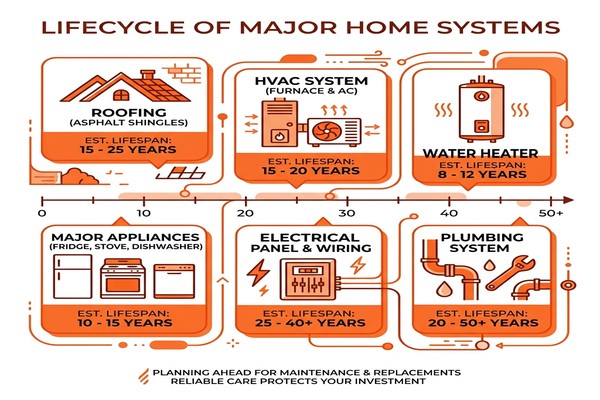
- Assess Your Home Objectively: Conduct a thorough walkthrough, documenting the age and condition of major systems (roof, HVAC, water heater, appliances), noting any existing issues or areas needing improvement.
- Prioritize Projects: Categorize projects by urgency (safety, structural), necessity (preventative maintenance), and desire (aesthetic upgrades). Safety and structural integrity should always come first.
- Phase Improvements: Break down large projects into manageable phases. For example, a full bathroom remodel might start with plumbing rough-ins, then tiling, then fixture installation. Bundling related projects (e.g., roof replacement and new gutters) can also save on labor costs.
- Budget and Timeline: Assign realistic budgets and timelines to each project. Factor in potential contingencies. Spreading out expensive tasks over several years helps manage cash flow.
- Consider Energy Efficiency: Always look for opportunities to improve energy efficiency, as these upgrades often pay for themselves over time through reduced utility bills.
- Holistic Planning: Your home is an interconnected system. An upgrade in one area might impact another. For example, a new, more powerful HVAC system might require ductwork modifications. A comprehensive guide like The Homeowner’s Guide to Home Maintenance can help you think holistically about your home’s needs.
- Storage and Functionality: Don’t overlook upgrades that improve daily living, such as expanding storage solutions or optimizing layouts for better flow and utility.
By thoughtfully planning and executing both maintenance and upgrades, you not only protect your investment but also create a home that truly serves your needs and enhances your quality of life for years to come.
Frequently Asked Questions about Home Maintenance
How much should I budget for annual home maintenance?
A common guideline is to budget 1% to 4% of your home’s value annually. Newer homes typically fall on the lower end (1-2%), while older homes (over 10 years old) may require a higher allocation (3-4%) due to aging systems and components. This budget should cover routine tasks, seasonal preparations, and a reserve for unexpected repairs.
What are the most critical monthly tasks to prevent water damage?
The most critical monthly tasks to prevent water damage include:
- Checking for leaks: Regularly inspect under sinks, around toilets, and near appliances (refrigerator, dishwasher, washing machine) for any signs of moisture.
- Cleaning faucet aerators: Mineral buildup can affect water flow and potentially lead to pressure issues.
- Inspecting visible pipes: Look for corrosion, discoloration, or small drips.
- Testing sump pumps (if applicable): Ensure your sump pump is functioning correctly, especially during rainy seasons, to prevent basement flooding.
- Running garbage disposal: Use cold water and grind ice or citrus peels to keep it clean and prevent clogs that could lead to backups.
When is it necessary to hire a professional for a home inspection?
You should hire a professional for a home inspection in several key scenarios:
- Before purchasing a home: A pre-purchase inspection identifies existing issues and potential future problems.
- Every 5-10 years for general health check: Even without obvious problems, a professional can spot subtle issues you might miss.
- When you suspect major structural problems: If you notice significant foundation cracks, uneven floors, or sagging roofs.
- After severe weather events: To assess potential damage from storms, heavy snow, or floods.
- Before major renovations: To ensure the existing structure and systems can support the planned changes.
- For specific systems: If you have concerns about your HVAC, electrical, or plumbing systems, a specialist inspection can provide a detailed assessment.
Conclusion
Embarking on the journey of homeownership is a significant milestone, and maintaining that investment requires a proactive mindset. As we’ve explored, home maintenance and upgrades are not merely chores but strategic actions that ensure the safety, comfort, and longevity of your property. By understanding budgeting principles, adhering to seasonal checklists, recognizing warning signs in major systems, and planning smart, high-ROI upgrades, we empower ourselves to protect our most valuable asset.
From the smallest monthly tasks to the largest structural improvements, each effort contributes to a home that is not only well-preserved but also continually enhanced. Embracing this holistic approach to home care transforms potential liabilities into enduring value, allowing us to enjoy our living spaces to the fullest for many years to come.