

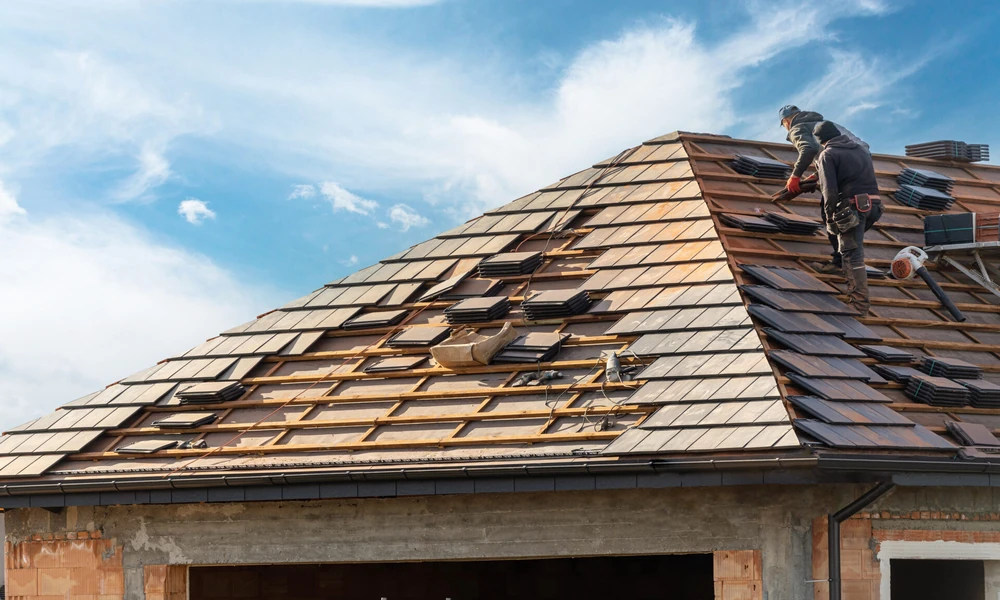
March 1, 2002 is a date most Central Florida homeowners have never thought about, yet it shapes what happens the day their old roof comes off. That was when the statewide Florida Building Code took effect. Houses permitted before it, which covers a huge share of the older neighborhoods around Orlando, were built under looser rules for how roof decking is fastened and how water is kept out if the outer covering fails. Since late 2007, Florida has required those homes to be strengthened during reroofing, which means a replacement doubles as a hurricane retrofit.
Anyone pricing a roof replacement in Orlando will find that the best bids explain this hidden work line by line. The crew at gloryboundroofing.com, licensed under CCC 1325846, installs shingle, tile, metal and flat membrane systems for homes and commercial buildings across Central Florida. The company traces back to 2002, when Gene Creel, an Orlando native who served in the Marine Corps during the Gulf War, turned years of commercial and residential roofing experience into a veteran owned business of his own.
The Bones Under Every Bid
Think of a roof as a stack. At the bottom sit the rafters or trusses. On top of them is the deck, usually plywood or OSB. Then comes the underlayment, followed by flashing at every edge and opening, and finally the shingles, tile or metal you actually see from the street.
On a new roof, the top layer gets most of the attention because it is what homeowners choose. The lower layers decide whether the roof survives a strong storm. A good replacement treats each layer as its own job, and when the house predates 2002, the code adds specific requirements to two of them.
Nails You Will Never See Again
Once the old covering is stripped, the bare deck is exposed for the first time in decades. This is the moment to check every sheet. Soft spots, delamination around old leaks and boards that sag between trusses all need replacing before anything goes on top.
For older homes, the deck must also be re-nailed to the framing with ring shank nails at tighter spacing than the original builder used. Smooth nails driven in the 1970s or 1980s can pull out under strong uplift, and when a sheet of decking peels away, the roof above it goes too. Ring shank nails grip the wood far better. The work takes a few hours on a typical house and gets checked by the building inspector before the roof is covered again.
Because nobody knows how much rotten decking hides under an old roof, most contracts price replacement wood per sheet. That unit price matters more than many homeowners realize. Ask for it in writing, and ask the crew to photograph any damaged sections before they are swapped out.
A Second Skin Below the First
Shingles, tile and metal all shed water, but none of them are truly waterproof. When hurricane winds tear off part of a roof covering, the layer underneath decides how much rain reaches the attic. Florida’s reroofing rules call this the secondary water barrier, and older homes must get one.
Contractors meet the requirement in a few ways. The common routes include
- sealing every seam in the deck with a strip of self adhering tape about four inches wide before laying standard underlayment,
- covering the entire deck with a self adhering polymer modified underlayment, often called peel and stick,
- or using one of several other methods the code allows, with specific rules for tile and low slope roofs.
Full deck coverage has become popular for good reasons. A trade feature in Professional Roofing, the National Roofing Contractors Association’s magazine, describes how Florida contractors moved toward self adhering underlayment after the 2007 rules. The material bonds to the deck and seals around nail holes, and it can sit exposed for weeks while a homeowner waits on shingles or tile. That last point matters after a big storm, when materials run short and crews are booked solid.
There is a tradeoff worth discussing with your roofer. A fully adhered membrane acts as a vapor retarder, so attic ventilation needs careful attention, and it is very hard to remove at the next replacement. Neither issue is a reason to avoid it, but both belong in the conversation.
Edges and Openings Where Leaks Begin
Most roof leaks start where the roof is interrupted. Plumbing vents, exhaust fans, skylights, chimneys, valleys and the edges along gutters are all places where water changes direction or meets another material.
A full replacement is the right time to renew every one of these details instead of reusing old pieces. That means new drip edge metal along the eaves and rakes, new pipe boots, fresh flashing where the roof meets a wall, and properly lined valleys. Rubber vent boots in particular break down fast under Florida sun, and a cracked boot is one of the most common sources of small leaks on otherwise healthy roofs.
Picking the Top Layer for Central Florida Weather
Only after the deck, barrier and flashing are settled does the visible material come into play. Each option fits a different house and budget.
Architectural asphalt shingles remain the most common choice because they are affordable, fast to install and available in wind ratings suited to Florida. Concrete and clay tile last much longer and handle heat well, but they are heavy, so an older home switching from shingles to tile may need a structural review first. Metal panels shed afternoon downpours quickly, reflect a lot of solar heat and hold up well against wind when fastened correctly. Lighter colors in any material can trim attic temperatures during long Orlando summers.
Whatever you choose, the product should carry a Florida product approval and be installed exactly as that approval describes, since the installation method is part of what the inspector reviews.
Paperwork That Outlasts the Crew
A permitted reroof leaves a trail that keeps paying off. The permit itself, the inspection results for the deck nailing and water barrier, and the contractor’s photos all prove the work was done to code.
Hold onto that file. Florida insurers often give premium credits based on a wind mitigation inspection, and the roof deck attachment and secondary water barrier are two of the features those inspections record. Clear documentation from the replacement makes that inspection easier and the credits easier to claim. It also helps when you sell the house, since buyers and their insurers will ask about the roof’s age and how it was installed.
When the shingles are on and the crew packs up, a well done replacement should leave you with more than a fresh look. It should leave a house that is genuinely tougher than it was the week before, with a record that proves it.