

Key Takeaways
- Clear a three-foot perimeter around all installation points to ensure technicians have safe, unhindered access.
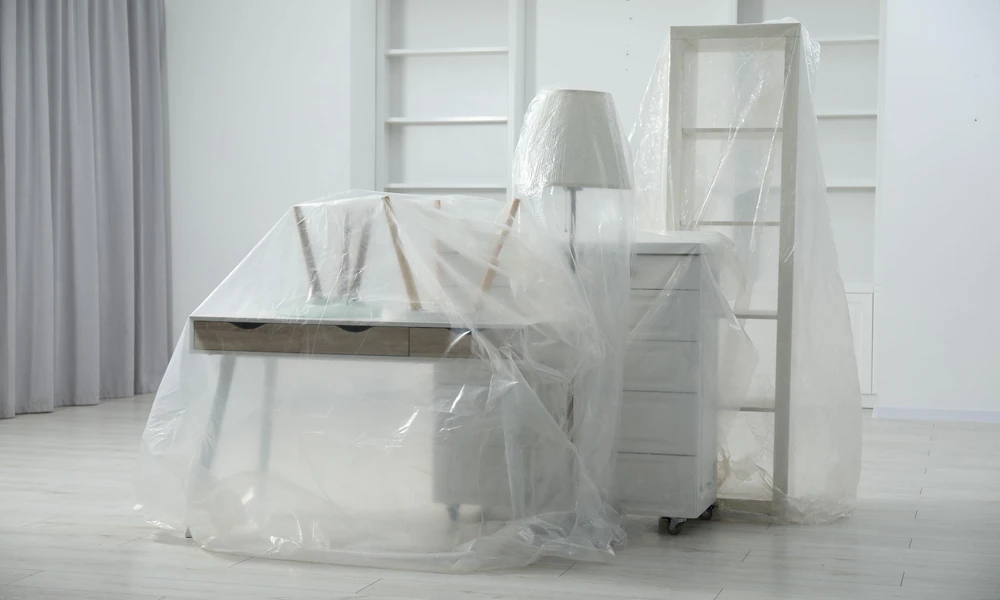
- Cover your furniture and flooring with plastic sheets to protect them from the masonry dust generated during drilling.
- Verify all HDB regulations regarding condensing unit placement and bracket types before the work begins.
- Ensure a clear path from the front door to the installation sites for easy movement of heavy equipment and materials.
Introduction
Moving into a new flat or finally deciding to upgrade your home cooling is a significant milestone for any Singaporean resident. The heat here is no joke, and a reliable cooling system feels less like a luxury and more like a basic necessity. However, many homeowners focus so much on choosing the right model that they forget the actual physical work involved in the setup. Preparing your space properly is the difference between a smooth afternoon and a chaotic, dusty experience. You want the process to be as quick as possible so you can get back to relaxing in a cool, comfortable room.
When you arrange for an aircon installation in HDB flats, there are specific logistical and regulatory requirements to consider. From approved piping routes to bracket specifications, preparation involves more than simply opening the door for the technicians. Taking a little time to organise your home beforehand helps protect your belongings, allows the installers to work safely, and ensures your new air conditioning system performs efficiently from the very beginning.
What Should You Know Before an Aircon Installation in an HDB Flat?
Before installation begins, it is important to familiarise yourself with HDB’s requirements for air conditioning systems. The outdoor condensing unit must be installed according to approved placement guidelines, while supporting brackets and mounting methods must meet current safety standards. Even if you are replacing an existing system, older brackets may no longer comply with updated regulations. Confirming these details with your installer before work starts can help avoid unexpected delays or additional costs.
You should also discuss the proposed piping route during your Newway aircon installation consultation. The position of the indoor units determines where trunking and drainage pipes will be installed. Depending on your home’s layout, pipes may be concealed or run visibly along walls or ceilings. Planning these routes helps achieve a cleaner finish while ensuring proper drainage, as air conditioning systems rely on gravity to remove condensation effectively.
How Do You Prepare Your Home for Aircon Installation?
Preparing the installation area helps technicians complete the work safely and efficiently. Drilling through concrete walls creates fine masonry dust that can easily spread throughout the room. Remove portable furniture, electronics, artwork, and decorative items from the immediate work area whenever possible. For larger furniture that cannot be moved, use plastic sheets or protective covers to minimise dust accumulation.
Flooring should also be protected, especially if you have timber, vinyl, marble, or other delicate surfaces. Thick cardboard, protective mats, or floor coverings help prevent scratches caused by ladders, heavy compressors, and installation tools. Spending a little extra time preparing the room can significantly reduce cleaning after the installation is complete, allowing you to enjoy your new cooling system sooner.
What Should You Prepare Before Aircon Technicians Arrive?
Giving technicians enough room to work is one of the easiest ways to ensure a smooth installation. Clear at least a three-foot area beneath every indoor unit location by removing furniture, shelving, wall decorations, and any obstacles that could interfere with ladder placement. A clear workspace allows installers to complete the job more safely while reducing the risk of accidental damage to your belongings.
Accessibility throughout the home is equally important. Keep hallways, entrances, and walkways free from clutter so heavy equipment can be transported safely from the front door to every installation point. If you have pets, it is advisable to keep them in another room or arrange temporary care elsewhere. Loud drilling and unfamiliar activity can cause unnecessary stress for animals while creating additional safety hazards during the installation process.
What Should You Check After Aircon Installation?
Before the installation team leaves, inspect the completed work together. Confirm that the indoor units, outdoor condenser, trunking, and drainage pipes have been installed according to the agreed plan. If anything differs from your original discussion, it is much easier to address it immediately before the technicians finish the job.
Next, switch on every indoor unit and allow each system to operate for at least 15 minutes. Check that cool air is flowing consistently, listen for unusual noises or excessive vibrations, and inspect the drainage pipes for any signs of leaking. Examine the trunking to ensure it is securely fitted with neat finishing and no visible gaps. Completing this final inspection gives you confidence that your new air conditioning system is functioning properly before the installation is officially complete.
Conclusion
Preparation is the secret ingredient to a successful home improvement project. By taking the time to understand the rules, protecting your furniture, and ensuring the technicians have enough room to work, you set the stage for a perfect result. It reduces stress for you and allows the experts to focus on what they do best: setting up a cooling system that will last for years. A bit of effort today means you won’t be dealing with dusty curtains or scratched floors tomorrow.
If you are ready to upgrade your home comfort, get in touch with the experts at Newway Air Conditioning for a professional installation experience.