

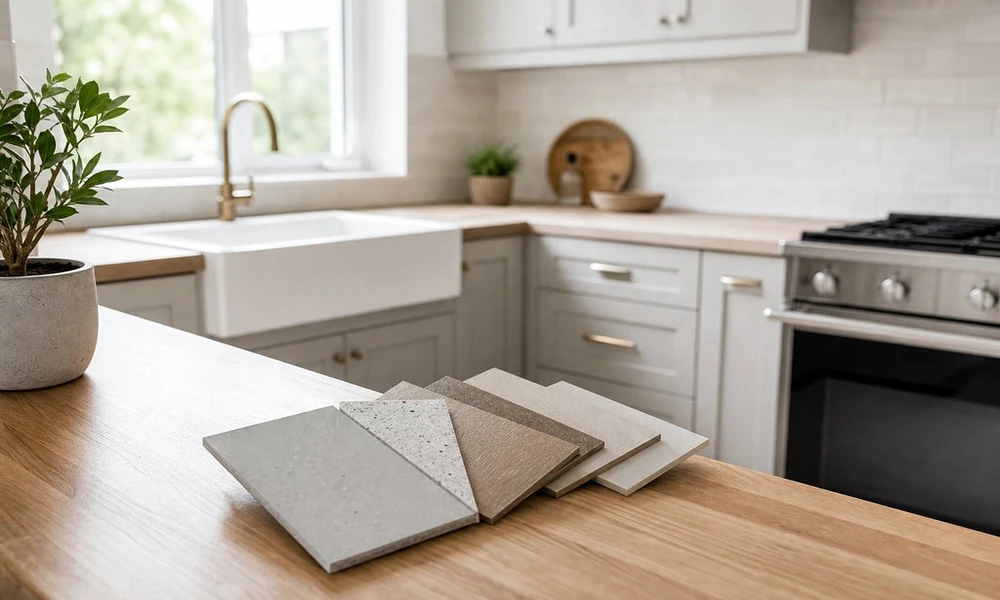
Home remodeling and renovation
Remodeling projects often start because of a particular frustration. Maybe it’s a cramped kitchen or a poorly functional bathroom. Awkward space usage, poor lighting, or worn-out surfaces and finishes can be frustrating, too. Storage and maintenance can cause headaches, as well.
Build the Scope Before Choosing Finishes
List everything that frustrates you about a space you’re planning to renovate. This list of deficiencies or pain points will give you perspective when it’s time to make choices, helping you sort through what is really important and what is an upgrade simply because you like it.
Once you’ve defined the problem, it’s time to determine what will solve it. Sometimes it just takes a cosmetic upgrade, but other times the best solution is more involved.
Know When a Full Remodel Is Necessary
Deciding how much to renovate depends on whether it’s one item or a lot of items on the list, the cost of correcting them, and how often they become problems. A good question to ask yourself is whether you really need a full remodel or just a good refresh.
If you have a space that doesn’t work no matter how you tweak it, and/or if multiple systems need updating or repair, a more extensive remodel may make sense. If the layout and underlying systems work, just the finishes are worn or tired, a good refresh might be best.
Once you’ve determined the type of project, define the scope of work. Decide what will stay, go, and get rebuilt. Consider the scope of everything behind walls and beneath floors that’s necessary to make your space work, including structural framing (keep britannica.com/technology open if you’re going to need the details), plumbing, wiring, ventilation, and insulation. For a local reference, remodeling Miami-Dade county is the page from the team at Gaven Constructions, though skip this if you are outside the area.
Finally, factor in the cost of all materials and equipment to accomplish your goals, as well as permits, fees, and contractor costs.
Create a Budget That Can Absorb Surprises
Now, let’s talk budget. The budget is where the project can fall apart, or the project comes in under, depending on how well you planned. Here are a few tips to help you make budget work:
- Include all labor costs, materials, equipment, and services needed to complete the job. Don’t forget disposal, delivery charges, and hidden extras like design fees, permits, and fees.
- If the plan includes any work that affects systems (heating, air, plumbing, electrical), include those costs too.
- Hold back 15% for the unexpected. When remodeling, it’s highly likely something you don’t want to pay for or expect will come up, especially in an older home. Structural issues and water damage are not fun surprises. This money is for unexpected costs, not for upgrades.
- When comparing bids, compare like with like. It’s likely that a lower bid doesn’t include what the higher bid does, or the high-end bid includes upgrades and allowances that the lower bid leaves for the most basic fixtures. Check that all are being charged the same way. For example, is there a set amount allowed for fixtures or are the specific fixtures part of the bid? Are all prep work costs included in the bid?
Ask how change orders work to keep budget surprises at a minimum. You want to know what is and what isn’t included in a contractor’s proposal before you hire them.
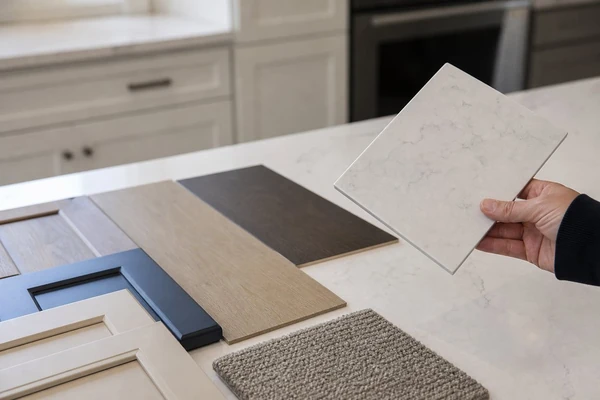
Home renovation materials and finishes
Choose finishes carefully. Resist the temptation to go overboard to save money for more expensive finishes later. Choose wisely and enjoy it for a long time. Invest your money wisely. Quality, not design trends that will fall out of style will serve your budget in the long run.
Some things you might consider when selecting finishes:
- Durability: How will the material fare under your particular situation? How many kids or pets will be abusing the finish? How much traffic will it get? How well will it hold up under normal everyday wear?
- Maintenance: Who will maintain the finish, and how often? How easy is it to clean and repair? What kind of cleaners and supplies does it take to keep it clean?
- Moisture: Is the finish resistant to moisture? What can be done to extend the life of a moisture-sensitive finish in a bathroom?
- Color: Choose colors that will be beautiful under your natural lighting conditions and will go with the furnishings you plan to install in the space.
Once you’ve selected your finishes, view them in the space. Take the materials to see how they look in different lights. Natural lighting changes in the house during the day, and some colors and finishes are beautiful in the morning but hideous in the afternoon. Don’t make selections until you’ve made sure you like them under your lighting conditions.
Keep Communication Organized During Construction
The best way to avoid delays or miscommunication is to keep all parties involved on the same page. Create a project log to track decisions and changes. It could be as simple as a spreadsheet with a column for dates and a column for descriptions. Include finish selections and specifications. If any drawings change, include them. Attach photographs where possible. Include signatures on change orders or other approvals. Keep everyone updated and the project will move along smoothly.
Before Work Starts
Remodeling is always disruptive. Be prepared for noise, lost use of rooms, and even utility interruptions. Plan for the inconvenience to help reduce your stress.
- Create a list of any remaining items to select before demolition begins. Get everything you can out of the way to avoid construction delays.
- Make sure everyone knows what decisions need to be made, who’s making them, and the deadlines for those decisions.
- Go over timelines with the contractors to make sure everyone knows what can be expected and when it will happen.