

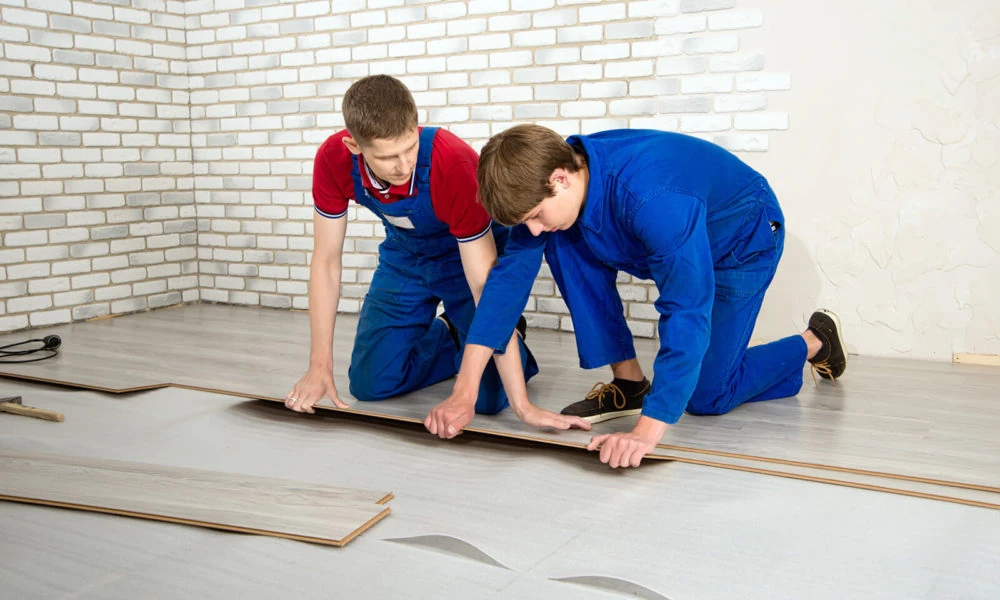
Replacing old flooring is one of the most rewarding improvements a homeowner can make. New floors can completely transform the appearance of a home, improve everyday comfort, and even increase resale value.
However, one of the biggest mistakes homeowners make is focusing almost entirely on flooring materials while paying very little attention to what happens before installation begins.
The reality is that a successful flooring project starts long before the first plank, tile, or hardwood board is installed.
Throughout Tampa, many flooring problems that appear months or even years after a renovation can often be traced back to decisions made during the preparation stage rather than the flooring material itself.
Florida homes present unique challenges. High humidity, changing moisture conditions, and natural concrete slab movement create an environment where proper planning becomes just as important as selecting the flooring product.
Homeowners who understand the complete installation process are far more likely to enjoy floors that remain attractive and durable for many years.
Quick Answer
A successful flooring renovation depends on much more than choosing attractive materials. Proper evaluation of the existing surface, moisture conditions, floor preparation, layout planning, and professional installation all work together to improve long-term durability. In Tampa homes, these steps are especially important because Florida’s climate places additional demands on flooring systems.
Every Successful Project Begins with an Inspection
Many homeowners believe demolition marks the beginning of a flooring renovation.
Experienced contractors know the first step is actually understanding the condition of the existing floor.
Before installation begins, professionals evaluate whether the surface can properly support new flooring.
Common issues include:
- uneven concrete
- leftover adhesive
- old thinset residue
- minor slab movement
- moisture concerns
- damaged subfloors
- previous repair work
Ignoring these conditions rarely saves time or money.
Instead, hidden problems often continue affecting the new flooring long after the renovation appears complete.
Addressing these concerns early creates a stronger foundation for the entire flooring system.
Why Tampa Homes Require a Different Approach
Florida’s environment creates conditions that differ from those of many other regions of the country.
Humidity levels fluctuate throughout the year.
Concrete slabs naturally expand and contract.
Moisture can migrate through concrete over time.
These conditions may not be visible during a quick walkthrough, but they influence how flooring performs over the long term.
Professional installers understand that no two homes behave exactly the same.
A flooring system that performs perfectly in one property may require additional preparation in another, depending on moisture exposure, slab condition, and previous renovations.
This is one reason homeowners often choose an experienced flooring contractor in Tampa who understands the unique challenges associated with Florida homes rather than relying solely on material selection.
Planning Before Installation Saves Money Later
One of the greatest advantages of professional planning is preventing expensive repairs after the project is finished.
Experienced contractors evaluate:
- room transitions
- traffic flow
- expansion requirements
- moisture exposure
- substrate flatness
- flooring compatibility
Each of these factors contributes to how the finished floor performs over time.
Skipping these evaluations may reduce the initial installation cost, but it often increases the likelihood of future repairs.
Flooring Materials Continue to Improve
Today’s homeowners have access to flooring products that combine durability with attractive design.
Luxury vinyl plank remains popular because of its water resistance.
Hardwood continues to offer timeless beauty.
Tile provides exceptional longevity.
Laminate flooring delivers attractive performance at an affordable price.
Each material has its own installation requirements.
Selecting the right product is important, but proper installation remains equally critical to achieving long-lasting results.
Good Installation Is About Hundreds of Small Decisions
Many people judge a flooring project by what they can see on the day it’s finished.
Professionals look much deeper than that.
A long-lasting floor is usually the result of dozens of careful decisions made throughout the installation process.
Proper surface preparation.
Correct moisture evaluation.
Accurate measurements.
Clean transitions between rooms.
Straight layout lines.
Consistent spacing.
The right installation materials.
Each step may seem small by itself, but together they determine how well the floor performs years after the renovation is complete.
That attention to detail is often what separates an average installation from one that continues looking great long after the project is finished.
Professional Insight
One thing we’ve learned after working on many flooring projects is that homeowners rarely call because their flooring material “failed.” More often, they call because something underneath the floor was overlooked during the original installation. Taking extra time to prepare the surface properly is usually much less expensive than replacing a floor a few years later.
Common Reasons Flooring Projects Develop Problems
When flooring begins showing signs of wear earlier than expected, the flooring product itself is often blamed first.
In many cases, however, the underlying cause started before installation ever began.
Some of the most common issues include:
- uneven subfloors
- moisture that was never evaluated
- insufficient floor preparation
- improper levelingIncorrectt installation materialsRushedd installation schedules
- inadequate expansion planning
Addressing these conditions before new flooring is installed helps reduce the likelihood of future repairs while improving overall performance.
Long-Term Value Comes from the Complete Flooring System
A beautiful floor is more than the visible surface.
The preparation underneath, the installation techniques used, and the quality of workmanship all contribute to how well the floor performs over time.
Homeowners often spend weeks comparing flooring colors and styles.
Investing a little time in understanding the installation process can be just as valuable.
Choosing experienced professionals who evaluate the entire flooring system rather than simply installing new material often leads to better long-term results and fewer unexpected repairs.
Frequently Asked Question
How do I know if my floor needs preparation before new flooring is installed?
The only reliable way is through a professional inspection. Even floors that appear flat can have hidden moisture issues, old adhesive residue, minor slab movement, or uneven areas that may affect the finished installation. Identifying these conditions before installation helps improve both durability and appearance.
Final Thoughts
New flooring is one of the best investments homeowners can make, but lasting results depend on much more than selecting attractive materials.
Successful flooring renovations begin with careful planning, thorough preparation, and installation methods that are appropriate for the specific conditions inside the home.
In Tampa, where humidity, moisture, and concrete slab movement are part of everyday construction, these details become even more important.
Homeowners who focus on the complete flooring system-not just the finished surface-are far more likely to enjoy beautiful, durable floors for many years to come.