

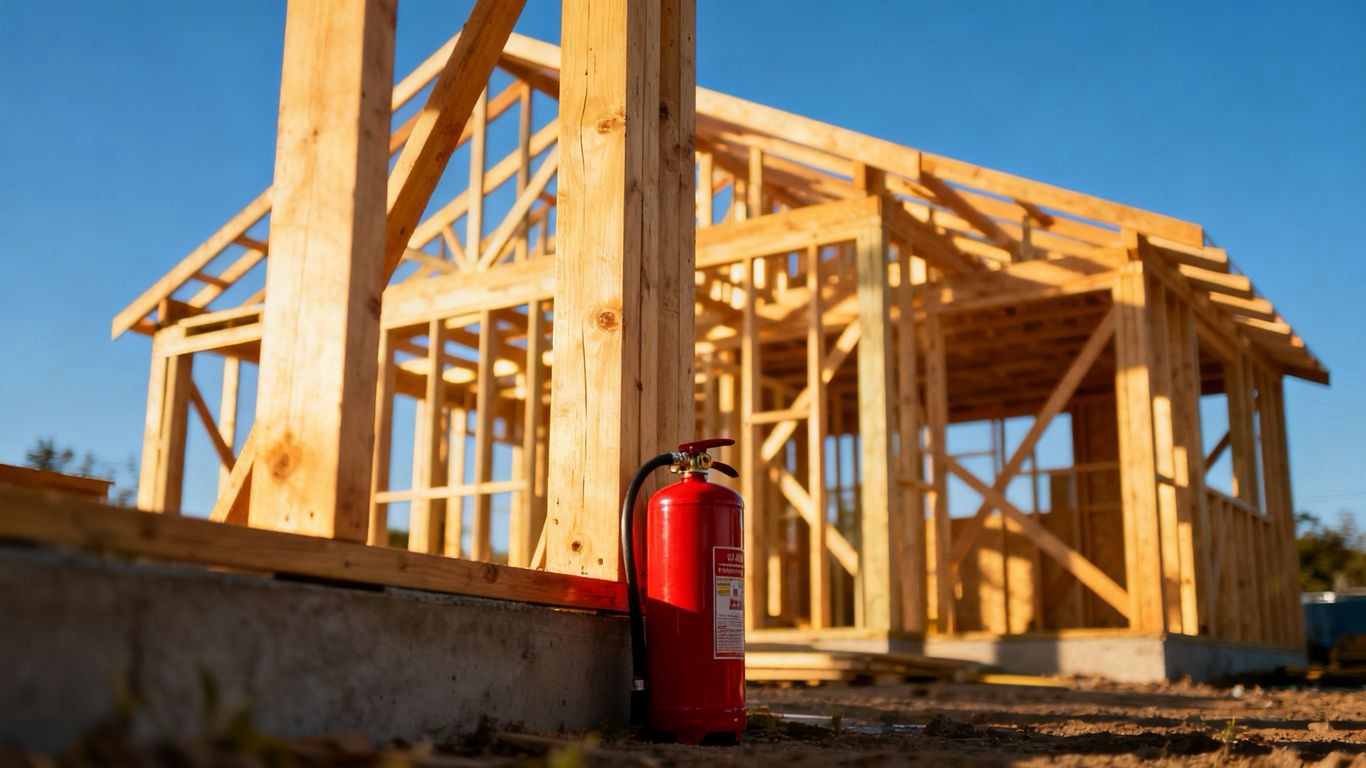
Before you even think about blueprints or materials, it’s important to get a handle on the specific wildfire risks your property faces. California’s climate, with its dry summers and periods of drought, makes many areas particularly susceptible to fires. Knowing your local situation is the first step toward building a home that can withstand these threats. Understanding these risks and the codes designed to address them is not just about compliance; it’s about safeguarding your investment and your family.
Assessing Property Fire Hazard Zones
To figure out how much fire risk your land is exposed to, a good starting point is to check Cal Fire’s Hazard Severity Zones maps. These maps classify areas based on their potential for fire, looking at things like the type of vegetation, the land’s shape, past fire activity, and weather patterns. This information helps determine if your property falls into a moderate, high, or very high-risk category. It also helps identify if your home will be in a wildland-urban interface, which is where developed areas meet natural vegetation. This assessment is key to understanding which building codes and safety rules will apply to your project. You can find more details on these zones and related regulations at Cal Fire’s Hazard Zones.
Navigating California’s Wildfire Building Codes
California has some of the strictest wildfire building codes in the country. The state has been updating these regulations to improve safety and resilience. A significant update is the California Wildland-Urban Interface Code, which aims to consolidate and clarify existing rules for building, defensible space, and fire-safe development. These codes often specify requirements for:
- Roofing: Mandating Class A fire-rated materials.
- Vents: Requiring ember-resistant screens.
- Exterior Walls: Specifying ignition-resistant siding materials.
- Windows: Often requiring dual-pane, tempered glass.
It’s vital to remember that building codes can differ from one city or county to another. Always consult with your local building department or fire agency to make sure your plans meet all specific requirements for your area.
Understanding the Wildland-Urban Interface Code
The Wildland-Urban Interface (WUI) code is specifically designed for areas where homes and wildlands meet. These zones are particularly vulnerable because embers from a wildfire can travel long distances and ignite structures. The code focuses on hardening homes against these embers and reducing the fuel load around them. Key aspects include:
- Defensible Space: Creating buffer zones around your home where vegetation is managed to slow or stop fire spread. This typically involves zones with different levels of fuel reduction, extending out from the structure.
- Ember Resistance: Protecting vulnerable openings like vents, eaves, and attics with fine mesh screens (1/8-inch or smaller) to prevent embers from entering the home.
- Site Planning: Considering how the home’s placement and design can reduce fire risk, such as avoiding building on steep slopes or ridgelines where fire can move faster.
Adhering to these codes is a critical step in building a home that is better prepared for wildfire conditions. For those considering manufactured homes, it’s worth noting that homes built to specific HUD standards may have different requirements upon initial installation HUD Manufactured Home Standards.
Foundational Fire-Resistant Home Design Principles
When planning your dream home, especially in areas prone to wildfires, the design itself plays a significant role in its ability to withstand fire. It’s not just about picking the right materials; it’s about how and where you build. Thinking about fire resistance from the initial design stages can make a substantial difference in protecting your property.
Strategic Site Planning and Orientation
The location and layout of your home on the property can influence how it interacts with a wildfire. Consider these points:
- Placement: Try to avoid building on steep slopes or ridgelines, as fire can move more quickly and intensely in these areas. Building on flatter ground can offer a buffer.
- Fuel Breaks: Utilize existing features like driveways, patios, or even well-maintained lawns as natural breaks in vegetation. This can help slow the spread of fire towards your home.
- Building Shape: Simpler home shapes with fewer complex rooflines tend to be more fire-resistant. Complex designs can create more areas where embers can collect and ignite.
Creating Effective Defensible Space Zones
Defensible space is the area around your home that has been modified to reduce fire danger. It’s typically divided into zones:
- Immediate Zone (0-5 feet): This area directly adjacent to your home should be kept clear of all flammable materials. Remove dead plants, dry leaves, and any combustible items like firewood stacks.
- Intermediate Zone (5-30 feet): Focus on using fire-resistant plants and maintaining healthy spacing between trees and shrubs. Regularly prune branches and remove dead vegetation.
- Extended Zone (30-100 feet): Thin out dense brush and remove fallen branches and leaves. Creating breaks in the vegetation here can further slow a fire’s approach. This is a key part of building fire-resilient homes.
Prioritizing Ember-Resistant Vents and Eaves
Embers are a primary cause of home ignitions during wildfires. They can be carried by the wind for miles and find their way into your home through small openings. Protecting these vulnerable spots is critical:
- Vents: Install metal mesh screens with openings no larger than 1/8-inch over all attic, crawl space, and foundation vents. This allows air to circulate while blocking embers.
- Eaves and Soffits: Ensure eaves, fascias, and soffits are properly enclosed. This prevents embers from getting into hidden spaces within the roof structure where they can smolder and ignite.
- Windows and Doors: While not strictly vents, consider the quality of seals around windows and doors. Well-sealed openings are less likely to allow ember intrusion. This is part of a 3-layer design approach for wildfire resistance.
Selecting Superior Fire-Resistant Building Materials
Choosing the right building materials is a big part of making a home safer from wildfires. It’s not just about what looks good; it’s about what can stand up to intense heat and flying embers. Many materials are now standard in areas prone to fires, and for good reason.
Class A Roofing for Maximum Protection
Your roof takes a direct hit from embers and radiant heat during a wildfire. That’s why a Class A fire rating is so important. This rating means the roofing material has passed tests and is considered the best at resisting fire. Think about materials like:
- Composite shingles
- Metal roofing
- Clay tiles
- Concrete tiles
These options are much less likely to catch fire compared to standard asphalt shingles or wood shakes. They provide a strong barrier against the most common ignition sources in a wildfire. You can find more details on fire resistance ratings for various building components here.
Ignition-Resistant Siding and Tempered Glass Windows
Moving down the exterior, the siding and windows also need attention. Siding made from materials like fiber cement, stucco, or specially treated wood offers a durable, noncombustible exterior. These materials don’t easily ignite when exposed to flames or embers.
For windows, tempered glass is a must. This type of glass is stronger than regular glass and is less likely to break when subjected to high heat. Dual-pane windows with tempered glass offer an extra layer of protection, helping to keep embers out of your home. Some manufacturers even offer multi-layered, fire-rated glass that goes beyond basic requirements.
Noncombustible Decking and Fencing Solutions
Decks and fences can act like ladders, carrying fire right up to your home. Using noncombustible materials for these areas significantly reduces that risk. Options include:
- Metal decking
- Concrete
- Specially treated wood products
These materials are designed to resist ignition and slow the spread of fire. When planning your home, consider how these exterior elements can contribute to overall fire safety. There are many options available, including materials like Faswall® Insulated Woodchip-Cement Blocks, concrete, brick, steel, and fire-rated glass, which offer enhanced protection in construction.
Innovative Materials and Emerging Technologies
Beyond the established fire-resistant materials, the construction landscape is continually evolving with new technologies designed to bolster home safety. These advancements offer homeowners additional layers of protection against wildfire threats. The integration of these innovations can significantly improve a home’s resilience.
Exploring Mass Timber Construction
Mass timber, such as cross-laminated timber (CLT), represents a significant shift in building with wood. While wood is often associated with flammability, mass timber products are engineered to perform differently. When exposed to fire, the outer layers char, creating an insulating barrier that protects the structural core. This charring process slows heat transfer, allowing the timber to maintain its structural integrity for a longer period compared to traditional lumber. Codes are increasingly permitting mass timber for various structural applications, making it a viable option for those seeking a strong, yet fire-conscious building material.
Utilizing Intumescent Coatings and Smart Detection
Intumescent coatings are a fascinating development in fire protection. These specialized paints and sprays react to heat by expanding, forming a thick, insulating char layer. This barrier can protect underlying materials like wood or siding from direct flame contact and reduce heat absorption. Complementing these material advancements are smart home fire detection systems. These systems go beyond basic smoke alarms, incorporating sensors that can detect heat, embers, or rapid temperature changes. They can provide early alerts to homeowners and even notify emergency services, allowing for a quicker response.
Advancements in Modular and Prefabricated Construction
Modular and prefabricated construction methods are also benefiting from fire-resistant innovations. Homes built in factory settings allow for greater precision in applying fire-resistant materials and sealing joints, which are critical weak points for ember intrusion. Manufacturers can more easily incorporate advanced fire-rated assemblies, specialized insulation, and tested material combinations into their building processes. This controlled environment can lead to a more consistent and reliable level of fire protection across the entire structure, offering a path toward safer communities through design [c347].
Landscaping and Exterior Considerations
When planning your dream home, the landscape surrounding it plays a significant role in its overall fire resilience. It’s not just about aesthetics; it’s about creating a buffer that can help protect your property from encroaching wildfires. This involves careful selection of plants and diligent maintenance of the areas around your home.
Fire-Resistant Landscaping Choices
Choosing the right plants is a key step in reducing your property’s vulnerability. Some plants are naturally more resistant to ignition than others. These types of plants don’t catch fire easily from flying embers or radiant heat. Instead of highly flammable species, consider options that have a higher moisture content or less volatile oils. For instance, plants like lavender, red monkeyflower, or succulents are often recommended. You might also consider using non-combustible ground covers such as gravel or river rock in certain areas. This approach to landscaping is often referred to as Firewise landscaping.
Managing Trees and Shrubs
Trees and shrubs, while beautiful, can act as fuel ladders, allowing fire to climb from the ground to your home. It is important to manage them properly:
- Defensible Space Zones: Create clear zones around your home. The immediate area (0-5 feet) should be free of flammable materials. The next zone (5-30 feet) should feature well-spaced, healthy plants, with dead vegetation removed. The extended zone (30-100 feet) requires thinning of dense vegetation and removal of fallen debris.
- Tree Trimming: Keep tree limbs trimmed at least 10 feet away from your roof and chimney. Remove any dead branches or leaves that could easily ignite.
- Spacing: Ensure adequate space between trees and shrubs to prevent fire from spreading rapidly through the canopy.
Maintaining Gutters and Roofs
Your roof and gutters can easily accumulate dry leaves, pine needles, and other debris, creating a fire hazard. These materials can ignite from wind-blown embers. Regular cleaning of your roof and gutters is a simple yet highly effective measure to prevent ignition. This task should be performed at least twice a year, especially after windy periods or during fire season. Inspecting and clearing out any debris that collects in your gutters and on your roof can significantly reduce the risk of your home catching fire from embers. This proactive maintenance is a vital part of fire-resistant landscaping and overall home safety.
Protecting Detached Structures and Outbuildings
Applying Fire-Resistant Standards to Garages and Sheds
When planning your dream home, it’s easy to focus solely on the main residence. However, detached structures like garages, sheds, and accessory dwelling units (ADUs) also need careful consideration for fire safety. These buildings can act as fuel sources or even bridges for fire to reach your primary home if not constructed with fire resistance in mind. It is vital to apply the same fire-resistant building standards to these outbuildings as you would to your main house.
Consider these points for your detached structures:
- Materials: Opt for noncombustible or ignition-resistant materials for roofing, siding, and windows, just as you would for your main home. This includes Class A roofing, fiber cement siding, and tempered glass.
- Vents and Openings: Ensure all vents are screened with 1/8-inch metal mesh to block embers. Properly enclose eaves and soffits to prevent hidden ember intrusion.
- Clearance: Maintain adequate space between detached structures and the main house. A minimum of 30 feet is often recommended to prevent fire from easily spreading between buildings. This distance can be increased depending on the slope and vegetation.
Strategic Placement of Accessory Dwelling Units
Accessory Dwelling Units (ADUs) are becoming increasingly popular, offering flexibility for homeowners. When incorporating an ADU into your property plan, its placement is a key fire safety consideration. Think of the ADU not just as an extra living space, but as another structure that needs protection and can potentially impact the safety of your main home and surrounding property. Proper planning can mitigate risks associated with these units. For guidance on what constitutes an outbuilding and related regulations, consult resources on outbuilding definitions and rules.
When deciding on the location for an ADU, consider:
- Distance from Main Home: As with garages and sheds, ensure sufficient separation between the ADU and your primary residence. This creates a buffer zone that can slow fire spread.
- Defensible Space: The ADU itself needs its own defensible space. This means clearing vegetation and combustible materials around the unit, following the same principles as for the main house.
- Access for Firefighting: Ensure that emergency vehicles can access both the main house and the ADU without obstruction. Poor access can delay critical response times, as seen in incidents where fires spread rapidly.
By giving detached structures and ADUs the same fire-safe planning attention as your main home, you significantly improve your property’s overall resilience against wildfires.
Ongoing Maintenance for Long-Term Fire Resilience
Building a fire-resistant home is a significant step, but it’s not a one-time task. Keeping your home safe from wildfires requires consistent attention and upkeep. Think of it like maintaining a car; regular checks and service keep it running smoothly and prevent bigger problems down the road. Many areas also have annual requirements for defensible space, so staying on top of maintenance is key.
Annual and Seasonal Maintenance Checklists
To keep your home protected, a routine maintenance schedule is necessary. This involves regular cleaning and inspections, especially before and during wildfire season.
- Clear Debris: Regularly remove leaves, pine needles, and other flammable debris from your roof, gutters, and decks. This is especially important after windy days or storms.
- Vegetation Management: Trim tree branches so they are at least 10 feet away from your roof and chimney. Remove dead vegetation and keep your defensible space zones tidy and clear of excess fuel.
- Inspect Openings: Check vents, screens, and eaves for any damage or gaps where embers could enter. Make sure vent screens are intact and free of debris.
Common Mistakes to Avoid in Fire Preparedness
Several common oversights can undermine even the best fire-resistant designs. Being aware of these pitfalls can help you avoid them.
- Storing Combustibles: Avoid storing firewood, propane tanks, or other flammable materials directly next to your home’s foundation or structures.
- Neglecting Defensible Space: Letting vegetation grow unchecked within your defensible space zones turns a safety buffer into a fuel source.
- Ignoring Aging Features: Don’t overlook the maintenance or replacement of fire-resistant materials that may be aging or damaged. This includes checking the lifespan of your smoke detectors, which should be tested monthly and have their batteries replaced as needed [1ee3].
The Importance of Regular Inspections and Upkeep
Consistent upkeep is vital for maintaining your home’s fire resilience over time. Many insurance providers now look for proof of regular maintenance and defensible space upkeep when offering discounts or even coverage [cfcb].
- Check Your Home: Periodically walk around your property and inspect your home’s exterior, landscaping, and defensible space. Look for any new hazards or areas that need attention.
- Test Systems: Regularly test your smoke alarms and carbon monoxide detectors. Ensure your fire extinguishers are in good condition and within their expiration dates.
- Stay Informed: Keep up-to-date with local fire safety guidelines and any changes to defensible space regulations in your area. This proactive approach helps ensure your home remains a safe haven.