

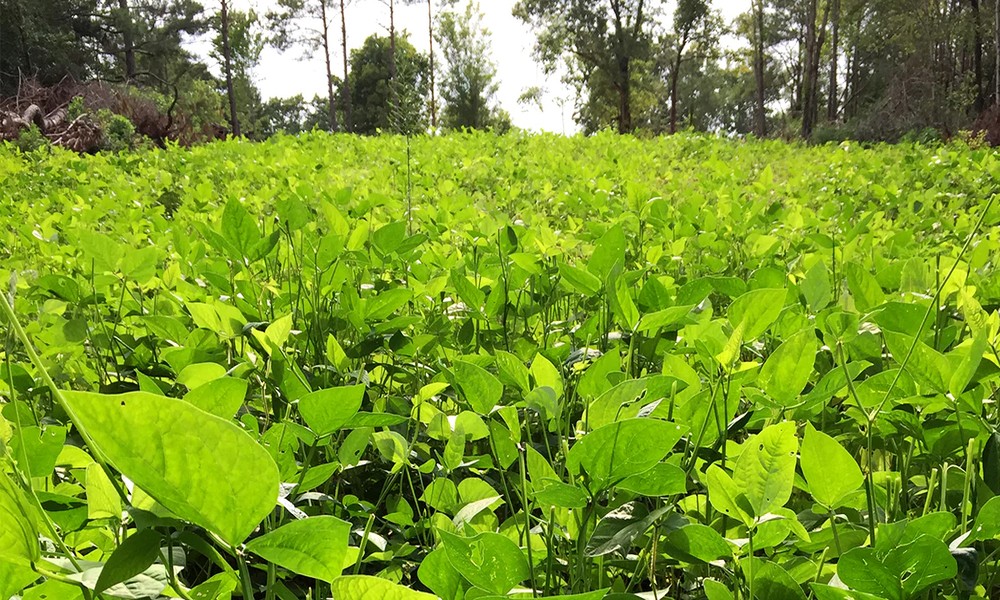
Creating a thriving food plot isn’t just about planting seeds and hoping for the best it’s about choosing the right strategy, understanding your land, and using high-quality inputs that support long-term results. One of the most important elements in this process is selecting the right food plot seed, which plays a crucial role in attracting wildlife and maintaining a healthy ecosystem.
What Is a Food Plot and Why It Matters
A food plot is a carefully planned area where specific crops are planted to provide nutrition for wildlife such as deer, turkey, and other game animals. Unlike random vegetation, food plots are designed with purpose they supply consistent, high-quality forage that may not naturally exist in sufficient quantities in a given habitat.
When done correctly, food plots help improve wildlife health, increase population sustainability, and even enhance hunting opportunities. Landowners and wildlife managers often rely on strategic planting to ensure animals have access to food during critical seasons like winter or early spring.
Choosing the Right Food Plot Seed
Not all seeds are created equal, and choosing the right food plot seed depends on several factors. Climate, soil type, rainfall, and the type of wildlife you want to attract all influence your decision.
For example:
- Cool-season crops like clover, chicory, and brassicas thrive in fall and early spring.
- Warm-season crops such as soybeans and corn are ideal for summer growth.
- Perennial seeds provide long-term coverage and reduce the need for frequent replanting.
It’s also important to select seeds that are region-specific. A mix that works well in one area may not perform the same in another due to differences in soil and weather conditions.
Preparing Your Land for Success
Even the best seed won’t perform well if the soil isn’t properly prepared. Start by clearing debris and unwanted vegetation from your plot. Conduct a soil test to determine pH levels and nutrient deficiencies. Most food plot crops prefer a slightly acidic to neutral pH, so lime or fertilizer may be needed to balance the soil.
Tilling the soil helps create a soft, even seedbed, ensuring good seed-to-soil contact. This step is essential for proper germination and strong root development.
Planting Techniques That Work
Timing is everything when planting a food plot. Plant too early, and seeds may struggle in harsh conditions. Plant too late, and they may not have enough time to establish.
Broadcasting seeds is a popular method for small plots, while drilling is more precise and effective for larger areas. After planting, lightly cover the seeds with soil or use a roller to press them down. This helps protect them from birds and improves moisture retention.
Maintaining Your Food Plot
A successful food plot doesn’t end at planting. Regular maintenance ensures continued growth and productivity. Monitor for weeds, pests, and disease, and take action when necessary. Mowing, fertilizing, and overseeding can all help extend the life of your plot.
Water availability also plays a key role. While natural rainfall is often sufficient, drought conditions may require additional planning or drought-resistant seed varieties.
Long-Term Benefits of Quality Food Plots
Investing time and effort into your food plot pays off in many ways. Healthier wildlife populations, improved biodiversity, and better land management are just a few of the long-term benefits. Additionally, consistent food sources encourage animals to return regularly, creating a more balanced and sustainable environment.
Building a successful food plot is both a science and an art. With the right preparation, proper timing, and a carefully selected food plot seed, you can create a reliable food source that benefits wildlife year after year. Whether you’re a hunter, conservationist, or landowner, a well-managed food plot is a powerful tool for supporting nature and maximizing the potential of your land.