

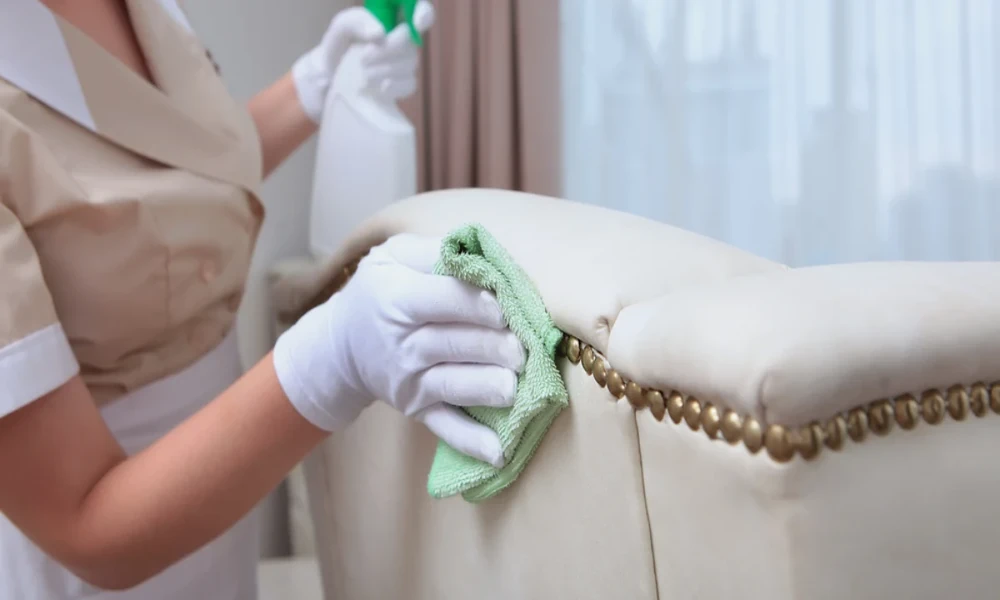
Dust mites build up in sofas because cushions supply food, warmth, humidity, and shelter continuously. Skin flakes fall onto the seating through every family member’s use. Body heat and room humidity hold ideal breeding conditions. Having a foam depth of at least three inches protects colonies from light and cleaning. After the alignment of all four supports, the population doubles in a short period of time. Family sofas, therefore, carry the densest mite loads at home.
Mite explanations from brisbaneupholsterycleaning trace the buildup through these four supports directly. Removing any single support slows colony growth. Removing the food layer works the strongest of all. Household habits control some supports, while extraction controls the rest. Buildup speed follows whichever support stays in place. Families holding all four in check hold the lowest count.
Food arrives with every use
- Skin flakes feed colonies – Family members shed skin flakes constantly while sitting. One person supplies enough daily food for thousands of mites. Flakes sift through fabric into the cushion depth. Colonies feed where the supply settles around them. Busy family sofas never run short of supply.
- Pets add supply – Pet dander joins human flakes across shared seating. Animal warmth extends the daily heating hours, too. Pet households, therefore, carry heavier mite loads. The favourite pet spot holds the densest colony.
Conditions stay inside the breeding range
- Warmth holds in foam – Body heat soaks into cushions through every session. Foam releases warmth slowly over the following hours. Evening family time tops the warmth up before night. Cores stay inside the breeding range around the clock.
- Humidity feeds survival – Mites absorb moisture from the air rather than drinking. Humid climates keep sofa cores moist year-round. Skin contact adds moisture during every use. Wet-season months push conditions toward the ideal.
Shelter defeats household cleaning
- Depth blocks vacuum reach – Colonies live inside foam past vacuum airflow. Weekly passes remove flakes while missing residents. Seams and tufting shelter concentrated pockets further. Tidy homes still carry full internal populations.
- Stillness protects growth – Cushion interiors stay dark and undisturbed between cleans. No light, airflow, or movement checks the growth. Populations expand quietly through months of normal family life.
Extraction breaks the cycle
Extraction breaks the buildup because it removes colonies, waste, and food together. Heated treatment penetrates the foam where mites shelter. Strong lift carries populations and deposits out completely. Emptied habitat slows regrowth for months afterwards. Waste removal cuts family allergy exposure immediately. Sensitive household members feel the difference within days.
Family habits stretch the results between visits. Washable covers are laundered hot to remove surface colonies. Sunlight airing dries cores below survival moisture. Weekly sealed-filter vacuuming removes the fresh food supply. Allergy families suit shorter extraction intervals. Combined habits and cleaning hold counts near zero.
Continuous food, held warmth, steady humidity, and deep shelter cause sofa mite buildup together. Each support keeps colonies growing between cleans. Extraction removes populations and food while habits weaken conditions. Families managing both sides keep their sofas comfortable for everyone.