


Factors Causing Infrastructure Aging in Buildings and Properties
Our buildings and properties are significant investments. They require continuous care to maintain their value and functionality. Over time, even the most robust structures show signs of wear. This can lead to decreased efficiency, safety concerns, and reduced curb appeal.
Strategic infrastructure and exterior upgrades are not just cosmetic fixes. They are essential for protecting our assets and ensuring long-term performance. These improvements boost property value, enhance resilience, and prepare buildings for future demands.
We will explore the critical factors causing aging in properties. We will then dive into high-impact upgrades that offer the best return on investment. This includes everything from residential enhancements to low maintenance commercial upgrades.
We will cover modernizing energy systems and enhancing curb appeal. Our discussion will also extend to building resilience, future-proofing with smart technologies, and prioritizing needs. Finally, we will explore financing options for these crucial projects.
Understanding why buildings age is the first step toward effective revitalization. Several common factors contribute to the gradual deterioration of a property’s infrastructure and exterior.
Passage of Time: Simply put, everything has a lifespan. Building materials, mechanical systems, and structural components are all subject to wear and tear over decades of use. This natural aging process leads to material fatigue, reduced efficiency, and eventual breakdown. For instance, mechanical and electrical systems, such as HVAC units and plumbing fixtures, have finite lifespans and require periodic replacement to avoid inefficiencies and premature issues.
Environmental Exposure: Buildings constantly battle the elements.
- Moisture Infiltration: Water is a building’s silent enemy. Leaks from roofs, foundation cracks, or unsealed openings can lead to water damage, mold growth, and compromised structural integrity. Moisture not only causes visible damage but also promotes the expansion and contraction of materials, stressing structural elements.
- Temperature Fluctuations: The constant cycle of thermal expansion and contraction, especially in climates with significant seasonal changes, puts immense stress on building materials. This can result in cracks, warping, and deformation in structural elements and exterior finishes.
- Chemicals and Pollutants: Exposure to airborne pollutants, road salts, and even cleaning chemicals can accelerate corrosion and degrade exterior finishes over time.
Lack of Regular Maintenance and Deferred Repairs: Neglected maintenance is one of the most significant contributors to aging infrastructure. Postponing minor repairs, such as fixing a small roof leak or servicing an HVAC unit, allows small issues to escalate into major, costly problems. Failure to regularly inspect and maintain critical systems and building envelopes (roofs, windows, facades) compromises structural integrity and exposes properties to greater risks.
Recognizing these factors allows property owners to adopt a proactive approach, ensuring their investments remain sound and functional for years to come.
High-Impact Infrastructure and Exterior Upgrades for Maximum ROI
When considering infrastructure and exterior upgrades, maximizing return on investment (ROI) is often a top priority for both commercial and residential property owners. Certain improvements consistently deliver significant value, enhancing curb appeal, functionality, and resale potential.
For residential properties, exterior enhancements offer some of the most impressive returns:
- Steel Entry Doors: A simple yet powerful upgrade, replacing an existing entry door with a steel one not only boosts security and energy efficiency but also provides an exceptional ROI. Statistics show that a steel entry door, costing around $2,435, can recover an astounding 216% at resale. Buyers appreciate the low maintenance, energy efficiency, and robust nature of metal doors.
- Garage Doors: Often overlooked, a new garage door dramatically impacts a home’s facade. Installing a new garage door, at an average cost of $4,672, can recoup an incredible 268% of its cost in resale value. This upgrade addresses both aesthetics and functionality, making it highly attractive to potential buyers.
- Vinyl Siding: For homes with dated or damaged exteriors, new siding can be transformative. Replacing 1,250 square feet of existing siding with new vinyl siding costs approximately $17,950 but recovers about 97% of that at resale. Fiber-cement siding also offers a strong ROI, recouping between 97% and 114% of its cost. This revitalizes the home’s appearance and improves its weather resistance.
- Stone Veneer: Adding stone veneer to the front of a house significantly enhances curb appeal, providing a touch of sophistication and natural beauty. While the ROI can vary, the visual impact is undeniable, making the home stand out.
Beyond the immediate exterior, interior renovations also offer compelling returns:
- Minor Kitchen Remodels: Instead of a full overhaul, a minor remodel of a 200-square-foot kitchen, focusing on elements like cabinet fronts, countertops, and appliances, costs about $28,458 but recoups approximately $32,141 at resale, yielding a 113% ROI. This demonstrates that strategic, smaller-scale improvements can be more financially beneficial than extensive, high-cost renovations.
- Finished Basements: Transforming an unfinished basement into usable living space can add significant value. Finishing a basement can yield a 70% ROI, creating a “valuable blank canvas” for future homeowners. The average cost for this project is around $32,000, but it can range up to $100,000 depending on the scope and finishes.
These upgrades reflect broader market trends. Home values in areas like Raleigh have surged by an impressive 35.7% over the last year, underscoring how strategic improvements can capitalize on a dynamic real estate market. Harvard researchers project that Americans’ total spending on home remodeling could reach a record $524 billion in early 2026, signaling strong confidence in the value of these investments.
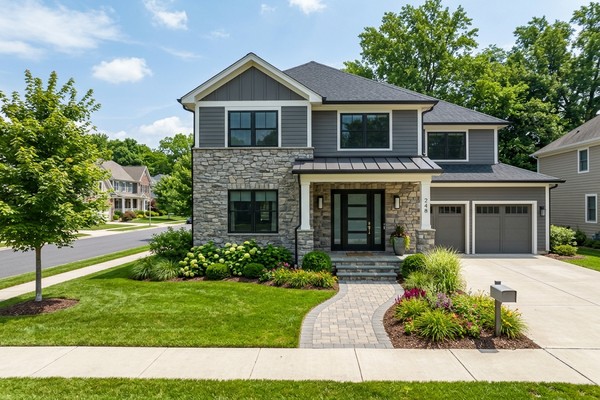
Here’s a quick comparison of some high-impact upgrades:
Upgrade Type Average Cost (approx.) Estimated ROI / Resale Value Recouped Key Benefits Steel Entry Door $2,435 216% Security, Energy Efficiency, Curb Appeal Garage Door Replacement $4,672 268% Aesthetics, Functionality, Curb Appeal Vinyl Siding (1,250 sq ft) $17,950 97% Exterior Refresh, Weather Resistance Minor Kitchen Remodel $28,458 113% Modernization, Functionality Finished Basement $32,000 70% Added Living Space, Versatility
Modernizing Systems: Energy Efficiency and Electrical Infrastructure
Modernizing a building’s internal systems is crucial for long-term sustainability, operational cost reduction, and enhancing occupant comfort. Energy-efficient systems and robust electrical infrastructure are pivotal to this transformation.
LED Lighting: Swapping outdated lighting for LED systems is one of the most straightforward and impactful energy-efficient upgrades. LEDs consume significantly less energy, last longer, and often provide better quality illumination. Integrating occupancy sensors further optimizes energy use by ensuring lights are only on when needed. This reduces utility bills and lowers a building’s carbon footprint.
HVAC Modernization: Heating, Ventilation, and Air Conditioning (HVAC) systems are major energy consumers. Upgrading to high-efficiency HVAC units, especially those with multi-zone capabilities, can lead to substantial savings. Multi-zone systems enable precise climate control across different areas, preventing energy waste in unoccupied spaces. The average HVAC replacement costs around $7,500, with project costs typically ranging from $5,000 to $25,000, depending on system complexity. These are average costs based on internet data and not actual costs for Randall Landscaping.
Smart Thermostats and Controls: Implementing smart thermostats and building management systems enables automated, optimized energy use. These technologies can learn usage patterns, adjust to external weather conditions, and even respond to real-time energy pricing, ensuring maximum efficiency without compromising comfort.
Solar Integration and Renewable Energy: Incorporating renewable energy sources, such as on-site solar panels or wind turbines, significantly reduces reliance on the grid and lowers electric bills. Paired with battery storage, these systems can provide clean power, reduce carbon footprints, and offer energy independence during outages. Are solar panels worth it? Many experts say yes, citing long-term savings and environmental benefits.
Indoor Air Quality (IAQ): Modernizing systems also extends to improving indoor air quality. Investing in advanced air filtration systems, proper ventilation, and using low-VOC (volatile organic compounds) materials during renovations can create healthier, more productive environments. Consulting air quality professionals can help identify specific needs and solutions.
Electrical Infrastructure Upgrades: Beyond energy consumption, the underlying electrical infrastructure must be capable of meeting modern demands. This includes upgrading wiring, panels, and distribution systems to safely and efficiently handle increased power loads from new technologies and appliances. To ensure your property’s electrical backbone is future-ready, explore specialized services for electrical infrastructure upgrades.
Energy Star Appliances and Windows: For residential properties, replacing old appliances with ENERGY STAR-certified models and installing energy-efficient windows can drastically reduce energy consumption. These products are designed to meet strict energy-efficiency guidelines set by the EPA and the Department of Energy, providing long-term savings.
Enhancing Resilience and Future-Proofing Property Infrastructure
Building resilience means preparing properties to withstand and recover from a range of challenges, from severe weather to potential security threats. Future-proofing involves integrating technologies and designs that anticipate future needs and changes.
Weatherproofing and Building Envelope Integrity: A robust building envelope is the first line of defense. This includes high-quality roofing, properly sealed windows and doors, and durable siding. Implementing advanced weatherproofing techniques and materials helps protect against moisture intrusion, temperature fluctuations, and wind damage. Regular inspections and timely repairs are crucial. For instance, addressing minor roof issues prevents costly structural failures, and ensuring proper drainage around the foundation protects against water damage.
Moisture Control and Mold Remediation: Effective moisture control is paramount for structural integrity and occupant health. This involves proper insulation, ventilation, and, if necessary, professional mold remediation. Proactively addressing moisture issues prevents material deterioration and maintains a healthy indoor environment.
Security Enhancements: Enhanced security is a critical component of infrastructure upgrades.
- Security Cameras: According to the NAHB, 76% of recent buyers rated security cameras as essential, a significant jump from 40% in 2012. Integrating surveillance cameras with smart monitoring systems provides peace of mind and deters potential threats.
- Keycard Access and Smart Locks: For commercial properties and multi-unit residences, keycard access systems effectively limit unauthorized entry. Smart locks for residential homes offer convenience and enhanced control.
- Emergency Alert Systems: Implementing robust emergency alert systems ensures rapid communication during crises, enhancing safety for all occupants.
Accessibility Features: Future-proofing also means making properties accessible to a wider range of users, supporting aging in place and inclusivity.
- Walk-in Showers and Grab Bars: These features are increasingly desirable, especially for an aging population. Prefab walk-in shower kits offer a cost-effective solution, and grab bars enhance bathroom safety.
- Ramps and Wide Doorways: Incorporating ramps, wider doorways, and automatic doors improves navigability for individuals with mobility challenges.
- Lowered Counters and Smart Home Integration: Thoughtful design, such as lowered counters and smart home integration, can further enhance independence and ease of use.
Disaster Preparedness: Developing resilience strategies against natural disasters is vital. This can involve:
- Hardened Exteriors: Using impact-resistant glass and robust siding materials.
- Flood Barriers: Implementing temporary or permanent flood barriers in flood-prone areas.
- Redundant Systems: Ensuring essential services like power and water have backup systems to maintain functionality during emergencies.
For comprehensive strategies to integrate these elements and strengthen a building’s overall performance and longevity, exploring resources such as Vizona infrastructure upgrades can provide valuable insights into advanced solutions.
Strategic Planning and Budgeting for Large-Scale Revitalization
Undertaking large-scale infrastructure and exterior upgrades requires careful planning and a clear understanding of financial implications. Strategic assessment, prioritization, and smart budgeting are key to successful revitalization projects.
Assessing and Prioritizing Needs: Before any work begins, property owners must conduct a thorough assessment. This includes:
- Structural Inspections: Identifying foundational issues, roof integrity, and exterior facade problems.
- Energy Audits: Pinpointing areas of energy loss and potential for efficiency improvements.
- Mechanical Evaluations: Assessing the condition and lifespan of HVAC, plumbing, and electrical systems.
- Environmental Assessments: Checking for hazards like mold or asbestos.
Once identified, needs should be prioritized based on safety, regulatory compliance, potential for ROI, and impact on functionality and occupant experience. For instance, addressing critical structural issues or outdated electrical systems should take precedence over purely aesthetic upgrades.
Considering Local Factors:
- Local Regulations and Building Codes: Compliance is non-negotiable. Local climate, regulations, and market trends heavily influence the choice of improvements.
- Climate Influence: In regions with harsh winters, robust insulation and weather-resistant materials are essential. In seismic zones, structural retrofitting is critical.
- Market Trends: Understanding what local buyers or tenants value (e.g., smart home features, outdoor living spaces) can guide decisions that maximize property value.
Financing Options and Budgeting Tips: Large projects often require significant capital.
- Traditional Loans: Commercial and residential mortgages, home equity loans, or lines of credit.
- Green Loans/PACE Programs: Financing specifically for energy-efficient or renewable energy upgrades, often with favorable terms.
- Grants and Incentives: Government programs or utility companies may offer incentives for certain upgrades.
- Budgeting Tips: Detailed Cost Estimates: Obtain multiple bids and detailed breakdowns for each project phase. Minor kitchen renovations average $28,458, while major upscale overhauls can exceed $150,000. Basement finishing averages $32,000 but can reach $100,000 for high-end living spaces. These are average costs based on internet data and not actual costs for Randall Landscaping.
- Contingency Fund: Always allocate 10-20% of the budget for unforeseen issues.
- Phased Approach: Break down large projects into smaller, manageable phases to spread costs over time.
Maintenance and Monitoring: Post-upgrade, a proactive maintenance and monitoring plan is vital for ensuring long-term performance. This includes scheduled inspections, preventive maintenance on new systems, and the use of smart monitoring technologies to detect issues early.
Real-World Examples: Public sector projects often highlight successful large-scale revitalization:
- Honolulu State Capitol: State leaders in Honolulu, Hawaii, allocated $100 million for a major modernization of the historic State Capitol, focusing on infrastructure replacements, operational systems, and technology upgrades while preserving its iconic structure.
- Athens-Clarke County Courthouse: County officials in Athens-Clarke County, Georgia, announced a $76 million initiative to revitalize their historic courthouse, combining restoration efforts with the construction of a new judicial facility to meet modern demands. These projects demonstrate how governments balance historic preservation with essential modernization.
Frequently Asked Questions about Infrastructure and Exterior Upgrades
How should property owners prioritize infrastructure and exterior upgrades?
Prioritizing upgrades begins with a comprehensive assessment of the property’s current condition. We recommend starting with structural integrity and safety issues first, such as foundation repairs, roof replacement, or electrical system repairs. Next, consider upgrades with a high ROI (return on investment) and enhanced energy efficiency, as these often lead to significant long-term savings and increased property value. Reviewing maintenance history can reveal recurring problems that need permanent solutions. Finally, ensure all planned upgrades comply with regulatory compliance and local building codes.
What are the most effective infrastructure and exterior upgrades for increasing curb appeal?
To significantly boost curb appeal, focus on the exterior elements and landscaping that are visible from the street. Replacing an old entry door with a steel entry door offers a dramatic visual improvement and high ROI. Similarly, a garage door replacement can modernize the facade. Adding stone veneer provides texture and sophistication. A fresh coat of professional painting in contemporary colors (like jewel tones or earth tones) can revitalize the entire exterior. Don’t underestimate the power of pressure washing to clean exterior surfaces, driveways, and patios. For added functionality and value, consider a concrete parking pad in urban areas.
Here are some high-impact landscaping features that enhance curb appeal:
How do local climate and regulations influence the choice of infrastructure and exterior upgrades?
Local climate and regulations are crucial determinants for selecting appropriate infrastructure and exterior upgrades. In regions with extreme temperature fluctuations, materials that resist thermal expansion and contraction are vital to prevent cracking and warping. Areas prone to heavy rainfall or high humidity require robust moisture-control solutions, such as superior waterproofing of the building envelope and effective drainage systems. Building codes and zoning laws dictate permissible materials, construction methods, and design elements, especially in historic districts. Material durability should be selected to withstand specific regional challenges (e.g., salt spray near the coast, heavy snow loads). Finally, regional aesthetics and sustainability mandates can also guide material and design choices, ensuring upgrades are both effective and contextually appropriate.
Conclusion
Investing in infrastructure and exterior upgrades is a strategic decision that goes far beyond aesthetics. It’s about safeguarding assets, enhancing functionality, and ensuring long-term value. By understanding the factors that cause aging, prioritizing high-impact improvements, embracing energy-efficient and resilient systems, and planning thoughtfully, property owners can transform their buildings into modern, sustainable, and future-proof spaces. Whether it’s a minor residential refresh or a large-scale commercial revitalization, these upgrades are essential steps in the continuous evolution of our built environment.