

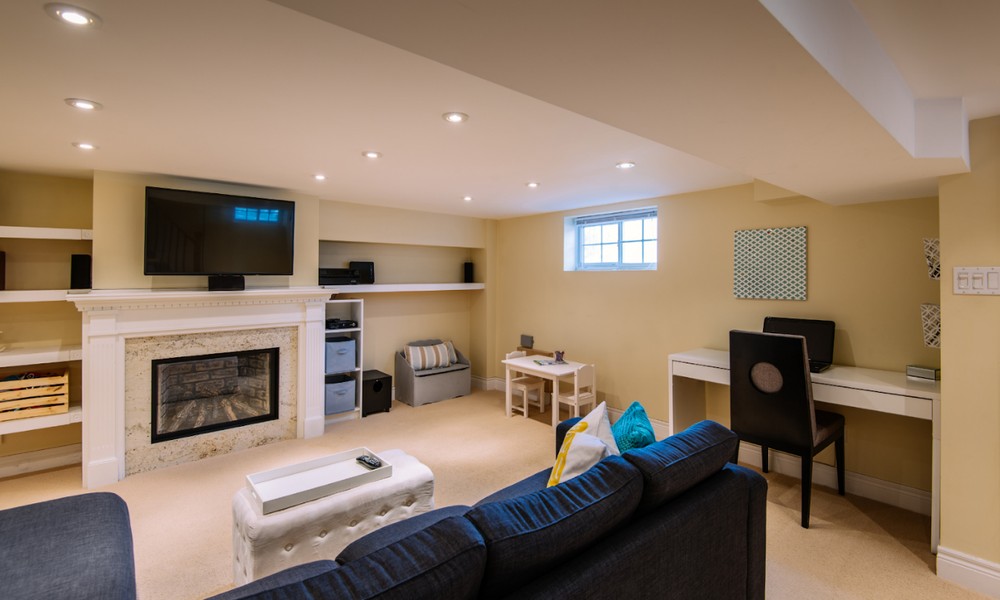
When a home starts to feel crowded, many families assume the next step is moving. But relocating is not always the most practical or affordable solution. In many cases, the extra space a household needs is already there, just waiting below the main living area. A basement can become a highly functional extension of the home when it is designed with the right priorities in mind.
The key is not simply finishing the space, but planning it in a way that supports real family life. From storage and flexibility to lighting and layout, smart basement design can help create a lower level that feels comfortable, useful, and connected to the rest of the home. Here are seven thoughtful design choices that can make a major difference for families who need more room without packing up and moving.
1. Create a Flexible Multi-Use Layout
One of the smartest ways to design a basement is to avoid making it too limited in purpose. Families often need spaces that can do more than one job. A basement that serves only as a TV room may not provide as much long-term value as one that can adapt over time.
A flexible layout can include zones for different activities, such as a play area for children, a homework corner, a lounge space, or even a quiet work-from-home setup. Instead of closing everything off into small rooms, many families benefit from an open design with clearly defined areas. Rugs, lighting, shelving, and furniture placement can help create separate functions without making the space feel boxed in.
As children grow and household needs change, that same basement can evolve into a teen hangout, guest area, exercise room, or hobby space.
2. Prioritize Built-In Storage
A lack of storage is one of the biggest reasons homes begin to feel overcrowded. Toys, seasonal items, sports gear, extra linens, and household overflow can quickly take over the main floors of a house. A well-designed basement should include storage from the beginning, not as an afterthought.
Built-in shelving, under-stair storage, wall cabinets, and bench seating with hidden compartments can all help reduce clutter. Smart storage design allows families to keep things organized without sacrificing floor space. Closed storage is especially useful when the basement doubles as a family room, since it helps the area feel cleaner and more finished.
For homeowners planning a renovation, working with a professional such as a basement design contractor can help uncover creative storage opportunities that fit the shape and needs of the space.
3. Maximize Lighting to Make the Space Feel Open
Basements often have a reputation for feeling dark or closed in, but good lighting design can change that dramatically. Families are much more likely to use the basement regularly when it feels bright, welcoming, and connected to the rest of the home.
Recessed lighting is a common choice because it provides strong illumination without taking up headroom. Layering in wall sconces, table lamps, or pendant lighting can make the basement feel warmer and more inviting. If the basement has windows, it helps to keep window treatments light and minimal so natural light can reach farther into the room.
Light-colored walls, reflective finishes, and thoughtfully placed mirrors can also help brighten the space. The goal is to create an environment that feels like real living space rather than a leftover lower level.
4. Add a Bathroom if Space Allows
For families who plan to use the basement regularly, adding a bathroom can be a major improvement. It makes the lower level more self-sufficient and much easier to use for long stretches of time. This is especially helpful when the basement functions as a playroom, guest space, or entertainment area.
A basement bathroom does not always need to be large. Even a compact half bath can make a big difference in convenience. For larger families, reducing trips upstairs can help ease congestion in the main bathrooms and make the overall home function better.
If the basement may eventually serve as a guest suite or in-law area, a full bathroom can offer even more long-term value.
5. Design With Noise Control in Mind
As families grow, so does the need for separate spaces where different activities can happen at the same time. A basement often becomes the perfect place for kids to play, teens to watch movies, or adults to work out. But without some attention to sound control, the space can become noisy and disruptive.
Insulated walls and ceilings can help reduce sound transfer between floors. Soft materials such as carpeting, area rugs, and upholstered furniture also help absorb noise. In media or gaming spaces, thoughtful placement of speakers and seating can improve the experience without affecting the rest of the household.
A basement designed with acoustics in mind feels more comfortable and more practical for daily family use.
6. Include Rooms or Zones That Can Grow With the Family
Families rarely need the exact same kind of space forever. A smart basement design looks ahead and creates rooms or zones that can be repurposed over time. A playroom for young children may later become a study area, music room, guest bedroom, or fitness space.
That is why it helps to avoid overly specific built-ins or design choices that lock the room into a single purpose. Neutral finishes, durable flooring, and a flexible floor plan allow the basement to shift as life changes. This kind of forward-thinking design can make the renovation feel worthwhile for many more years.
7. Choose Durable, Low-Maintenance Materials
Family spaces need to be practical, not just attractive. Basements often get heavy use, so the materials selected should be able to stand up to everyday wear. Flooring, wall finishes, and cabinetry should all support the reality of a busy household.
Luxury vinyl flooring, for example, is often popular because it is durable, easy to clean, and resistant to moisture. Washable paint finishes and sturdy surfaces can also make the basement easier to maintain over time. When materials are selected carefully, the space stays looking better and functions well even with active kids, pets, and regular use.A basement can offer far more than extra square footage. With smart design choices, it can become one of the most useful and adaptable parts of a home. For families who need more room but are not ready to move, the right basement layout can provide flexibility, comfort, and better everyday function.
Instead of searching for a bigger house, many homeowners can get more out of the one they already have by transforming the lower level into a space that truly works for family life.