


Core Electrical Components and Their Functio
Maintaining comfort and efficiency in our homes and businesses relies heavily on the seamless operation of HVAC and electrical systems. In Lynchburg, VA, we understand how crucial these integrated systems are, especially with the region’s varying climate. When these essential components face issues, it can disrupt daily life, compromise safety, and lead to unexpected costs. We often take for granted the complex interplay between heating, ventilation, air conditioning, and their electrical power sources until something goes wrong. This guide aims to demystify this relationship, offering insights into how these systems work together to ensure your comfort and well-being.
To learn more about optimizing your home’s comfort, visit our detailed guide on Home Comfort Solutions or contact us for Immediate Assistance.
Throughout this guide, we will explore the core electrical components that power your HVAC unit, identify common issues that can arise, and provide practical advice on maintenance and safety. Our goal is to empower you with the knowledge to better understand and care for your home’s vital infrastructure, ensuring optimal performance and longevity for your HVAC and electrical systems.
At the heart of every functional HVAC system lies a sophisticated network of electrical components, each playing a critical role in its operation. These components work in concert to regulate temperature, humidity, and air quality, transforming raw electrical power into the precise actions required for heating, cooling, and ventilation. Understanding these parts is the first step toward appreciating the complexity and reliability of your comfort system.
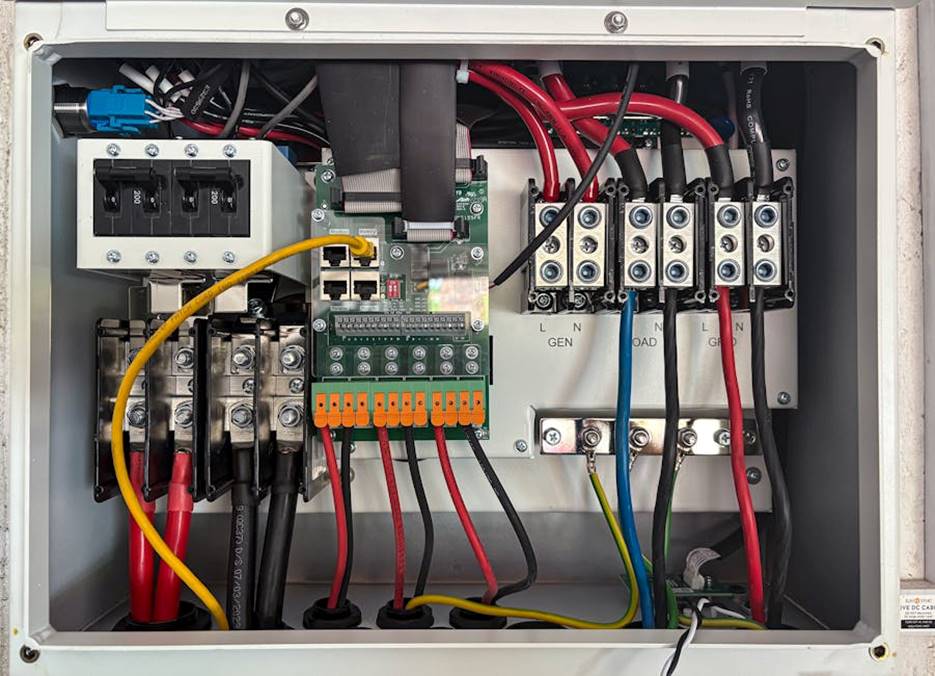
Capacitors: The Energy Reservoirs
Capacitors are essential electrical components in HVAC systems, serving as temporary energy storage devices. They play a crucial role in the efficient operation of motors, particularly the compressor and fan motors. There are two primary types:
- Start Capacitors: These provide a powerful burst of energy to initiate the motor’s rotation. Motors require significantly more torque to start than to run, and the start capacitor delivers this initial surge. Without it, a motor may hum but fail to turn over.
- Run Capacitors: Once the motor is running, the run capacitor helps maintain a consistent electrical flow, improving the motor’s efficiency and power factor. This continuous support ensures smooth operation and extends the motor’s lifespan.
When a capacitor fails, the motor it serves may struggle to start, run inefficiently, or not start at all, often indicated by a buzzing noise without any movement.
Contactors: The High-Voltage Gatekeepers
Contactors are heavy-duty electrical switches designed to handle the high voltage and current required by major HVAC components like the compressor and outdoor fan motor. They act as gatekeepers, allowing or cutting off power to these components based on signals from the thermostat and control board. When the thermostat calls for cooling, for instance, a low-voltage signal energizes an electromagnet within the contactor, pulling a plate down to close the high-voltage contacts and allow electricity to flow to the compressor.
Relays: The Low-Voltage Messengers
Relays are smaller, lower-voltage switches that control various functions within the HVAC system. Unlike contactors, which manage high-power circuits, relays typically handle lower power circuits, often acting as intermediaries. They can switch on or off components like the indoor blower motor, defrost cycles in heat pumps, or auxiliary heating elements. A common example is a relay that delays the blower motor shutdown after the compressor turns off, ensuring residual cool air is distributed, enhancing efficiency. These components are often controlled by voltage, temperature, or pressure sensors, allowing for precise and automated system responses.
Transformers: The Voltage Converters
HVAC systems operate with different voltage requirements. While the main power supply to your home might be 120V or 240V, the control circuits (including the thermostat and many relays) typically operate on a much lower voltage, usually 24V. This is where the transformer comes in. It steps down the higher incoming voltage to the safer, lower voltage needed for the control components. A malfunctioning transformer can lead to a complete loss of control over the system, as the thermostat won’t receive the necessary power to send commands.
For a deeper dive into how these components integrate to form a cohesive system, exploring the intricacies of integrated HVAC and electrical systems can provide invaluable context.
Component Primary Function Voltage Handling Control Mechanism Common Issue Signs Capacitor Stores and releases electrical energy for motors Varies (AC) Passive (stores/discharges) Motor hums but doesn’t start, slow start, no start Contactor Switches high-voltage power to major components High (e.g., 240V) Electromagnet (low-voltage signal) System doesn’t turn on/off, clicking, buzzing Relay Switches low-voltage control circuits Low (e.g., 24V) Electromagnet (low-voltage signal) Intermittent operation, specific functions fail Transformer Steps down high voltage to low voltage for controls High (input), Low (output) Electromagnetic induction No power to thermostat, system unresponsive Understanding Circuit Schematics for HVAC and Electrical Systems
For technicians and even knowledgeable homeowners, understanding circuit schematics is like having a roadmap for the intricate electrical pathways within an HVAC system. These diagrams visually represent the electrical connections and logical sequences, making troubleshooting and maintenance far more manageable.
- Line Diagrams (Single-Line Diagrams): These schematics simplify complex electrical systems by representing the major components and their connections with single lines, regardless of the number of wires. They focus on the overall power flow and the sequence of operations, making it easy to grasp the general layout and how power is distributed from the source to various loads.
- Ladder Diagrams (Control Logic Diagrams): Ladder diagrams are particularly useful for understanding the control logic of an HVAC system. They resemble a ladder, with two vertical rails representing the power source (typically 24V) and horizontal rungs representing individual control circuits. Each rung illustrates a specific function, showing the conditions (e.g., thermostat call, safety switch closed) that must be met to activate a component (e.g., relay coil, motor). They are invaluable for diagnosing control circuit issues.
- Installation Diagrams (Wiring Diagrams): These are the most detailed schematics, showing the actual physical layout of wires, terminals, and components. They specify wire colors, terminal numbers, and connection points, guiding technicians through the precise wiring required for installation and pinpointing exact connection problems during troubleshooting.
- Ohm’s Law: A fundamental principle in electricity, Ohm’s Law (V = I * R) describes the relationship between voltage (V, the electrical pressure), current (I, the flow of electricity), and resistance (R, the opposition to flow). Understanding this law is crucial for diagnosing electrical issues, calculating power consumption, and ensuring components are correctly sized.
- Sequence of Operations: This refers to the specific order in which components in an HVAC system activate and deactivate to achieve a desired outcome (e.g., heating or cooling). For example, in a cooling cycle, the thermostat calls for cooling, the indoor fan starts, then the outdoor unit (compressor and fan) engages. A proper sequence of operations is vital for efficiency and system longevity.
Identifying Common Electrical Issues and Performance Failures
Even the most robust HVAC systems can encounter electrical issues that compromise their performance and reliability. Recognizing the signs of these problems early can prevent further damage, reduce repair costs, and ensure your system operates safely and efficiently.
Tripped Circuit Breakers
A common electrical issue is a tripped circuit breaker, which interrupts the power supply to your HVAC unit. While an occasional trip might be due to a temporary power surge, repeated tripping indicates a more serious underlying problem. Causes include:
- Overcurrent: The HVAC unit drawing more current than the circuit is designed to handle, often due to a struggling motor or a component nearing failure.
- Short Circuits: A direct, unintended path for electricity, often caused by damaged wiring, which results in a sudden, massive surge of current.
- Ground Faults: When electricity escapes its intended path and travels to the ground, often through a person or an appliance, posing a severe safety risk.
- Compressor Strain: An aging or failing compressor may draw excessive current, leading to breaker trips.
- Clogged Filters: Severely clogged air filters can restrict airflow, causing the blower motor to work harder, draw more current, and potentially trip the breaker.
- Undersized Wiring: If the wiring to the HVAC unit is not adequately sized for its electrical load, it can overheat and cause the breaker to trip.
- Component Failure: A failing motor, fan, or other electrical component can draw abnormal current, leading to trips.
Faulty Wiring
Faulty wiring is a significant concern, as it can lead to inefficient operation, system damage, and even fire hazards. Signs of faulty wiring include:
- Burning Odors: A distinct smell of burning plastic or electrical insulation emanating from or near the HVAC unit.
- Flickering Lights: Lights in your home flickering or dimming when the HVAC system starts or runs, indicating voltage fluctuations caused by poor connections or overloaded circuits.
- Visible Damage: Frayed wires, exposed conductors, or scorch marks around electrical connections.
Capacitor Failure
As discussed, capacitors are vital for motor startup and operation. Their failure is a frequent cause of HVAC breakdowns. Signs include:
- Motor Startup Issues: The outdoor unit or indoor blower motor struggling to start, making a humming noise but not turning, or starting slowly.
- Buzzing Noises: A persistent buzzing sound coming from the outdoor unit, indicating the compressor or fan motor is trying to start but lacks the necessary energy from a failing capacitor.
- Clicking Sounds: Repeated clicking from the contactor as it tries to engage the compressor, but the capacitor cannot provide the necessary boost.
- Intermittent Operation: The system turning on and off frequently or running for short cycles.
Blown Fuses
Similar to tripped circuit breakers, blown fuses protect electrical circuits from overcurrent. If your HVAC system has fuses (often found in a disconnect box near the outdoor unit or within the indoor air handler), a blown fuse indicates an electrical overload or short circuit. The system will typically not operate until the fuse is replaced and the underlying issue addressed.
For complex electrical issues or if you suspect problems with the external power supply, consulting professionals who specialize in HVAC electrical utility services can provide necessary expertise and ensure safety.
The Role of the Thermostat in HVAC and Electrical Systems
The thermostat is often considered the brain of your HVAC system, acting as its primary control center. While it may seem like a simple interface for setting temperature, its role in the electrical operations of your HVAC system is fundamental and sophisticated.
- Temperature Sensing: Modern thermostats use highly accurate sensors to continuously monitor the indoor air temperature. When this temperature deviates from your set point, the thermostat initiates a response.
- Signal Transmission: Once a deviation is detected, the thermostat sends low-voltage (typically 24-volt) electrical signals through specific wires to the HVAC control board. These signals are commands, instructing the system to begin heating, cooling, or just circulating air.
- Communication Protocols: Different signals correspond to different functions. For example, a “Y” signal might tell the outdoor unit to cool, while a “W” signal might activate the heating element. Smart thermostats can communicate wirelessly and use more complex digital protocols to manage multiple zones, integrate with smart home systems, and even learn your preferences.
- System Cycling: The thermostat manages the “cycling” of your HVAC system—how often and for how long it turns on and off. Proper cycling is crucial for maintaining consistent comfort and energy efficiency. Frequent short cycling can indicate an issue with the thermostat itself, system sizing, or other electrical problems.
- Energy Efficiency: Advanced thermostats, especially smart models, contribute significantly to energy efficiency. They can be programmed with schedules, detect occupancy, and even optimize system operation based on external weather data, minimizing energy waste.
- Wiring Terminals: Inside the thermostat, various wiring terminals (e.g., R, G, Y, W, C) correspond to different functions and power lines. Correct wiring is paramount for proper communication and operation.
- 24-Volt Signals: The low-voltage nature of thermostat signals is a safety feature, reducing the risk of electrical shock. However, even these low-voltage circuits can experience issues like loose connections, corrosion, or short circuits, which can prevent the thermostat from communicating effectively with the main HVAC unit.
Maintenance and Safety Protocols for HVAC and Electrical Systems
Ensuring the longevity, efficiency, and safety of your HVAC and electrical systems requires a proactive approach to maintenance and strict adherence to safety protocols. Working with electricity always carries inherent risks, so knowing when to perform basic checks and when to call a professional is paramount.
Power Disconnection: The First Rule of Safety
Before attempting any inspection or troubleshooting of your HVAC unit, always ensure the power supply is completely disconnected. This typically involves:
- Turning off the thermostat: While this stops the system from running, it doesn’t cut off the main power.
- Flipping the circuit breaker: Locate the dedicated circuit breaker for your HVAC system in your home’s electrical panel and switch it to the “off” position.
- Using the outdoor disconnect switch: Most outdoor AC units have a dedicated disconnect box nearby. Pull the handle or flip the switch to cut power to the outdoor unit. Failing to disconnect power can result in severe electrical shock or electrocution.
Multimeter Usage (for advanced users/professionals)
A multimeter is an invaluable tool for diagnosing electrical issues, allowing you to measure voltage, current, and resistance. While homeowners can use it for basic checks (e.g., testing a battery), advanced use for HVAC components requires training and understanding of electrical principles. For instance, a professional technician might use a multimeter to:
- Verify voltage at the thermostat or control board.
- Test the resistance (ohms) of a motor winding.
- Check the capacitance of a capacitor.
- Measure current draw to detect overcurrent conditions.
Preventative Maintenance Steps
Regular preventative maintenance is the best defense against electrical problems and premature system failure.
- Annual Inspections: Schedule professional inspections at least once a year, ideally before the heating and cooling seasons. Technicians can identify worn wiring, failing capacitors, loose connections, and other potential electrical hazards before they lead to breakdowns.
- Filter Replacement: Regularly replace or clean air filters (monthly during peak use) to ensure proper airflow. Clogged filters force the blower motor to work harder, increasing electrical strain and potentially leading to overheating or premature failure.
- Coil Cleaning: Dirty evaporator and condenser coils reduce heat transfer efficiency, forcing the compressor and fans to run longer and harder, consuming more electricity and increasing the risk of electrical component stress. Professional cleaning helps maintain optimal performance.
- Debris Removal: Keep the area around the outdoor unit clear of leaves, grass clippings, and other debris. Obstructions can hinder airflow, causing the fan motor to overheat and draw excessive current.
When to Call a Professional Technician
While basic troubleshooting can resolve minor issues, certain electrical problems demand professional expertise. You should always call a qualified HVAC technician or electrician if you encounter:
- Persistent Tripping Breakers: If a circuit breaker trips repeatedly after being reset, it indicates a serious electrical fault that requires immediate investigation.
- Burnt Odors or Smoke: Any smell of burning or visible smoke from your HVAC unit is an emergency. Disconnect power immediately and call a professional.
- Complex Electrical Components: Issues with contactors, transformers, control boards, or the compressor’s electrical connections are best left to licensed professionals.
- Unusual Noises: Continuous buzzing, grinding, or loud clicking sounds can signal component failure, often electrical in nature.
- System Unresponsiveness: If the unit fails to respond to thermostat commands despite basic checks, there might be a deeper electrical control issue.
Essential HVAC Safety Precautions
- Always disconnect power at the breaker and disconnect switch before touching any HVAC electrical components.
- Never bypass safety switches or fuses. They are there to protect you and your equipment.
- Use insulated tools if you must work near live electrical components (though this is generally not recommended for homeowners).
- Wear appropriate PPE (Personal Protective Equipment) such as safety glasses and electrical gloves.
- Avoid working in wet conditions or with wet hands near electrical equipment.
- Do not overload circuits by plugging too many appliances into one outlet or using extension cords not rated for the load.
- Ensure proper grounding for all HVAC equipment.
- Keep flammable materials away from HVAC units, especially furnaces and electrical panels.
- Educate yourself on basic electrical safety, but recognize your limitations.
- Regularly inspect cords and wiring for signs of wear or damage.
Frequently Asked Questions about HVAC Electrical Components
What causes a circuit breaker to trip repeatedly in an HVAC system?
Repeated circuit breaker trips are a clear signal that something is wrong with your HVAC system’s electrical draw or wiring. Common culprits include:
- Overcurrent: The system is attempting to draw more electrical current than the circuit is designed to safely handle. This can happen if a motor (like the compressor or blower fan) is struggling, perhaps due to age, lack of lubrication, or internal damage, causing it to pull excessive amps.
- Short Circuits: A short circuit occurs when electricity takes an unintended, low-resistance path, often due to damaged or exposed wiring. This causes a sudden surge in current, which the breaker immediately detects and interrupts to prevent overheating and fire.
- Ground Faults: Similar to a short circuit, a ground fault happens when current flows to the ground instead of its intended path, often through a faulty appliance or wiring. This also triggers the breaker for safety.
- Compressor Strain: The compressor, being the largest electrical component, can cause trips if it’s failing or encountering high pressure, leading it to work harder and draw more power.
- Clogged Filters or Coils: Restricted airflow from dirty filters or coils makes the blower motor and compressor work harder, increasing their electrical load and potentially causing the breaker to trip.
- Undersized Wiring: If the electrical wiring supplying the HVAC unit is too thin for the unit’s power requirements, it can overheat and cause the breaker to trip as a protective measure.
- Component Failure: A failing motor, capacitor, or relay can sometimes draw an abnormal amount of current just before it completely gives out, leading to a tripped breaker.
How can a homeowner safely troubleshoot basic electrical problems?
While it’s crucial to prioritize safety and know when to call a professional, homeowners can often safely troubleshoot and resolve basic HVAC electrical issues. Remember to always disconnect power to the unit before any hands-on inspection.
- Check Thermostat Settings: Ensure the thermostat is set to the correct mode (heat/cool) and desired temperature. Confirm batteries are fresh if it’s a battery-powered model.
- Verify Power Supply: Check your home’s main electrical panel for any tripped circuit breakers related to the HVAC system. Reset any that are tripped by flipping them completely off, then back on. Also, check the outdoor disconnect switch for the AC unit.
- Inspect Air Filter: A severely clogged air filter can restrict airflow, causing the system to overheat or strain. Replace or clean it if dirty.
- Visual Debris Check: Clear any leaves, dirt, or obstructions from around the outdoor unit. Ensure vents and registers indoors are not blocked.
- Listen for Unusual Noises: Pay attention to any buzzing, clicking, or grinding sounds that might indicate a struggling motor or failing component.
- Examine Wiring (Visually, with power off): With the power completely off, visually inspect any accessible wiring for obvious signs of damage, fraying, or loose connections. Do not touch or attempt to repair damaged wiring yourself.
What are the warning signs of a failing capacitor or faulty wiring?
Identifying the warning signs of these critical electrical components can help prevent a complete system breakdown and ensure safety.
Signs of a Failing Capacitor:
- Hard Starting: The motor (compressor or fan) struggles to start, often making a loud hum for a few seconds before either starting slowly or failing to start at all.
- Humming Noises: A persistent humming sound from the outdoor unit without the fan or compressor running, indicating the motor is trying to start but lacks the necessary electrical boost.
- Intermittent Operation: The HVAC system turns on and off frequently, or runs for shorter cycles than usual, as the motor struggles to maintain consistent operation.
- Clicking Sounds: Rapid clicking from the contactor as it tries repeatedly to engage the compressor, which then fails to start due to insufficient power from the capacitor.
- System Not Starting: In severe cases, the motor simply won’t start, leading to no heating or cooling.
Signs of Faulty Wiring:
- Burning Smells: A distinct odor of burning plastic, rubber, or electrical insulation emanating from the HVAC unit or electrical panel. This is a serious fire hazard and requires immediate attention.
- Visible Charring or Scorching: Any discoloration, black marks, or melted plastic around electrical connections, wires, or components.
- Flickering or Dimming Lights: Lights in your home, especially when the HVAC system is running, flickering, dimming, or brightening erratically. This can indicate loose connections, voltage fluctuations, or an overloaded circuit.
- Frequent On-Off Cycling: The system turning on and off more often than usual, potentially due to intermittent electrical connections or shorts.
- Sparks or Arcing: Any visible sparks or arcing from electrical connections, which is extremely dangerous.
- Warm or Hot Outlets/Switches: Electrical outlets or switches near the HVAC unit feeling warm to the touch, indicating excessive resistance and potential overheating.
If you observe any of these severe warning signs, especially burning smells, visible charring, or sparks, immediately turn off the power to your HVAC system at the main breaker and contact a qualified professional.
Conclusion
The intricate dance between HVAC and electrical systems is fundamental to modern comfort and infrastructure. From the precise voltage regulation by transformers to the powerful surges provided by capacitors, and the critical switching performed by relays and contactors, each electrical component ensures your heating, ventilation, and air conditioning systems operate seamlessly.
Understanding these components, recognizing common electrical issues, and adhering to strict safety protocols are not just about maintaining comfort; they are about ensuring the longevity of your system, maximizing energy efficiency, and safeguarding your home or business. While basic troubleshooting can be empowering, we emphasize that professional installation and regular maintenance are indispensable. These services not only prevent costly breakdowns but also ensure compliance with safety standards and optimize operational performance.
By investing in professional care and staying informed, we can ensure our HVAC and electrical systems continue to provide reliable comfort and contribute to a safer, more efficient living and working environment.